The fashion industry is renowned for its creativity and innovation, setting trends that ripple through society and culture worldwide. However, behind the glitz and glamour lies a complex web of ethical challenges, ranging from environmental damage to unfair labor practices. In recent years, more brands have started to address these concerns head-on, integrating ethics into the fabric of their business models. This shift isn’t just a fleeting trend—growing consumer awareness and mounting global pressures mean that ethics in the fashion industry now play a pivotal role in shaping its future. Let’s explore how brands are focusing on sustainability and fairness, the challenges they face, and the progress being made toward a more ethical fashion ecosystem.
The Hidden Costs of Fast Fashion
Fast fashion has revolutionized the way we shop, making trendy styles available at low prices and at breakneck speed. The global fast fashion market was valued at approximately $106 billion in 2022 and is projected to reach $185 billion by 2027. However, this rapid production comes with significant hidden costs. According to the United Nations Environment Programme (UNEP), the fashion industry is responsible for 8-10% of global carbon emissions—more than all international flights and maritime shipping combined.
Environmental Impact: - Textile production is the world’s second-largest polluter of water, accounting for 20% of global wastewater. - The majority of fast fashion garments are made from synthetic fibers like polyester, which can take up to 200 years to decompose in landfills. - Approximately 92 million tons of textile waste are generated annually. Human Cost: - Workers in developing countries often face hazardous conditions, earning as little as $3 per day. - The 2013 Rana Plaza collapse in Bangladesh, which killed over 1,100 garment workers, highlighted the dire need for improved workplace safety and fair wages.These staggering figures have forced both consumers and brands to confront the ethical ramifications of their fashion choices, pushing the industry toward more sustainable and fair practices.
Sustainable Sourcing: The Shift to Eco-Friendly Materials
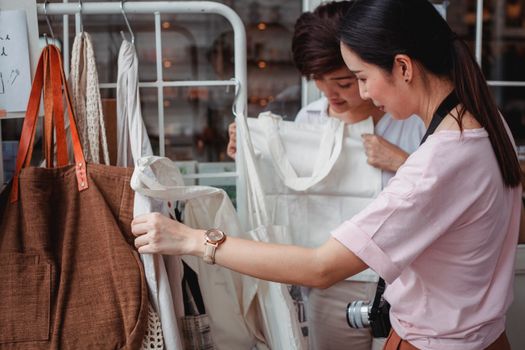
One of the most significant ways brands are addressing environmental concerns is by shifting to sustainable sourcing and eco-friendly materials. Traditional cotton farming, for example, consumes about 2,700 liters of water to make a single t-shirt. In contrast, organic cotton uses 91% less water and avoids harmful pesticides.
Brands like Stella McCartney, Patagonia, and Eileen Fisher are leading the way by prioritizing organic cotton, recycled polyester, and innovative materials like Tencel (derived from wood pulp). Even major players such as Adidas and H&M have introduced “conscious” or “green” collections using recycled fibers.
Benefits of Sustainable Materials: - Reduced water and energy consumption - Lower carbon footprint - Decreased use of toxic chemicalsHowever, scaling up sustainable production remains a challenge. Only about 1% of global cotton production is certified organic, and recycled fibers still make up a small fraction of total output. Brands must balance cost, scalability, and consumer demand as they move toward greener alternatives.
Ensuring Fairness: Ethical Labor Practices and Transparency
Fairness in the fashion industry extends beyond environmental considerations—it also encompasses the rights, wages, and working conditions of millions of garment workers worldwide. Sweatshop labor has long plagued the industry, especially in countries like Bangladesh, Vietnam, and India, where labor costs are lowest.
To combat these issues, ethical brands are taking several key actions: - Implementing strict codes of conduct for suppliers - Partnering with fair trade organizations - Publicly disclosing factory lists and audit resultsFor example, People Tree and Pact source their products from Fair Trade-certified factories, ensuring workers receive living wages and safe conditions. Levi Strauss & Co. publishes detailed supplier information and regularly audits factories for compliance.
Transparency is also gaining traction as a tool for accountability. According to the 2023 Fashion Transparency Index, 48% of the world’s largest fashion brands now publish at least some information about their supply chains, compared to just 12% in 2016.
Comparing Brand Approaches: Conventional vs. Ethical Fashion
To better understand how brands are changing their business models, let’s compare conventional and ethical fashion approaches side-by-side:
| Aspect | Conventional Fashion | Ethical/Sustainable Fashion |
|---|---|---|
| Materials | Synthetic (polyester, nylon), conventional cotton | Organic cotton, recycled fibers, natural dyes, Tencel |
| Production Speed | Fast (weekly/daily new collections) | Slower (timeless designs, smaller drops) |
| Labor Practices | Low wages, poor conditions, little oversight | Fair wages, safe environments, regular audits |
| Transparency | Minimal supply chain disclosure | Public factory lists, certifications, impact reporting |
| Waste Management | High waste, linear model (produce-use-dispose) | Low waste, circular initiatives (recycling, upcycling) |
| Price Point | Low-cost, mass-market | Mid-high, reflects true cost of production |
This comparison highlights the tangible differences in how brands address sustainability and fairness. While ethical fashion often comes at a higher price, it reflects the real cost of responsible production and supports long-term environmental and social well-being.
Circular Economy: Closing the Loop in Fashion
The concept of a circular economy is transforming how brands think about waste and resource use. Instead of the traditional “take-make-dispose” model, circular fashion emphasizes keeping materials in use for as long as possible.
Key strategies include: - Clothing recycling programs (e.g., Levi’s and H&M garment collection) - Upcycling old garments into new products - Rental and resale platforms (e.g., Rent the Runway, thredUP) - Repair and care initiatives (e.g., Patagonia’s Worn Wear program)According to the Ellen MacArthur Foundation, extending the active life of clothing by just nine months can reduce carbon, water, and waste footprints by 20-30%. The secondhand apparel market is booming, expected to double in value to $77 billion globally by 2025.
Brands that embrace circularity not only reduce environmental impact but also create new business opportunities and foster deeper loyalty among eco-conscious consumers.
Consumer Power: How Shoppers Drive Ethical Change
Ethical fashion is not solely in the hands of brands—consumers play a vital role in driving industry-wide change. A 2021 Global Sustainability Study found that 67% of consumers consider sustainability when making a purchase, and 32% are willing to pay more for sustainable goods.
Social media and online activism have amplified the voices of conscious shoppers, holding brands accountable and shining a spotlight on unethical practices. Movements like #WhoMadeMyClothes and Fashion Revolution Week mobilize millions to demand greater transparency and fairness.
Shoppers can support ethical fashion by: - Researching brand sustainability ratings (e.g., Good On You app) - Purchasing fewer, higher-quality pieces - Supporting local and independent designers - Participating in clothing swaps and secondhand marketsEvery purchase sends a message. As demand for ethical products grows, brands are compelled to prioritize sustainability and fairness, creating a positive cycle of change.
Final Thoughts: The Road to an Ethical Fashion Future
Ethics in the fashion industry are no longer optional—they are a necessity for brands seeking to thrive in a rapidly changing world. While challenges remain, progress is visible in the growing use of sustainable materials, improved labor practices, and the rise of circular business models. Brands that embrace transparency and fairness not only help protect people and the planet but also gain the trust of increasingly savvy consumers.
The journey toward a truly ethical fashion industry is ongoing. It requires collaboration between brands, consumers, policymakers, and workers worldwide. By making conscious choices and holding companies accountable, we can all contribute to a more sustainable, fair, and beautiful future for fashion.