The world of fashion dazzles with creativity and glamour, but behind the runway and retail displays lies a complex web of ethical challenges. From labor practices to environmental responsibility, the fashion industry’s ethical landscape has come under increasing scrutiny over the past decade. As global consumers become more informed and socially conscious, the demand for ethical standards in fashion continues to rise. This article explores the multifaceted world of ethics in the fashion industry, examining labor conditions, supply chain transparency, animal welfare, and the evolving role of consumers and corporations in shaping a more just and responsible future.
Understanding Ethics in the Fashion Industry
Ethics in fashion refers to the principles and values that guide how clothing is designed, produced, distributed, and marketed. These principles encompass a broad range of concerns, including fair wages, safe working conditions, environmental stewardship, and respect for animal rights. The global fashion industry, valued at over $2.5 trillion in 2022 according to McKinsey & Company, is one of the world’s largest employers, with an estimated 75 million people working in apparel and footwear production.
Despite its positive economic impact, the industry is often criticized for exploitative labor practices, lack of transparency, and environmental degradation. The 2013 Rana Plaza disaster in Bangladesh, where a garment factory collapse killed over 1,100 workers, thrust ethical issues into the global spotlight. Since then, both consumers and brands have started to question not just how their clothes look, but how they are made and at what cost to people and the planet.
Labor Rights: The Human Cost of Fast Fashion
One of the most pressing ethical concerns in fashion is the treatment of workers. The majority of clothing production takes place in developing countries, where labor laws may be weak or poorly enforced. According to the International Labour Organization (ILO), over 60% of the world’s garments are produced in Asia, with Bangladesh, Vietnam, and China leading the way.
Workers, often women and sometimes children, are frequently subjected to:
- Low wages: In Bangladesh, the legal minimum wage for garment workers is around $95 per month, far below the estimated living wage of $200–$250. - Excessive hours: Reports show workers in some factories work up to 14 hours a day, six or seven days a week. - Unsafe conditions: Many factories lack basic safety measures, ventilation, or emergency exits.Some of the world’s largest fashion brands have faced backlash for their supply chain practices. While brands like H&M and Zara have pledged to improve labor conditions, progress remains uneven. The 2022 Fashion Transparency Index found that only 12% of major brands publish information about their wage practices at the supplier level.
Transparency and Traceability: Shedding Light on the Supply Chain
Transparency is increasingly seen as a cornerstone of ethical fashion. Consumers want to know not just where their clothes are made, but how. Supply chains in fashion are notoriously complex, often involving multiple tiers of contractors and sub-contractors across different countries.
Advances in digital technology have made it possible for brands to trace materials back to their source, but adoption remains inconsistent. According to a report by Fashion Revolution, only about 40% of brands surveyed in 2023 disclosed information about their first-tier manufacturers, and less than 10% revealed details about raw material suppliers.
To help consumers understand the differences in brand transparency, here’s an overview:
| Brand | Supply Chain Transparency Level (2023) | Publicly Disclosed Supplier List? | Wage Data Published? |
|---|---|---|---|
| Patagonia | High | Yes | Yes |
| Zara (Inditex) | Moderate | Partial | No |
| Shein | Low | No | No |
| H&M | Moderate | Yes | Partial |
Brands like Patagonia lead the way by publishing full supplier lists and wage data, while ultra-fast fashion brands such as Shein lag behind, providing little to no public information.
Animal Welfare and Ethical Materials
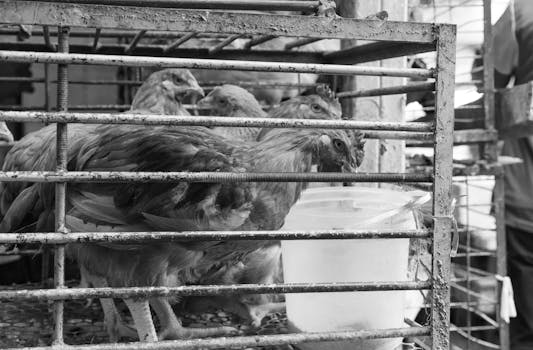
The use of animal-derived materials—such as leather, wool, down, and silk—raises another set of ethical questions. Animal welfare organizations have exposed mistreatment in the production of these materials, including overcrowding, inhumane slaughter, and questionable farming practices.
- Leather: The global leather industry processes over 1.4 billion animal hides annually. Concerns include animal cruelty and the toxic chemicals used in tanning. - Wool: Mulesing, a painful procedure performed on sheep, is still practiced in some countries, sparking protests from activists. - Down: Investigations have found that some suppliers pluck feathers from live birds, causing significant suffering.Many brands are responding by seeking certification from organizations like the Responsible Wool Standard (RWS) or the Leather Working Group (LWG), which set minimum welfare and environmental standards. Additionally, the rise of innovative materials—such as mushroom leather (mycelium), recycled polyester, and lab-grown silk—offers animal-free alternatives that are gaining traction. In 2022, the vegan fashion market was estimated to surpass $39 billion, reflecting the growing demand for cruelty-free products.
Environmental Ethics and Circular Fashion
While the environmental impact of fashion has received much attention, the ethical dimension is equally important. The industry is responsible for approximately 10% of global carbon emissions and produces 92 million tons of textile waste each year, according to the United Nations Environment Programme (UNEP).
Ethical fashion brands are adopting circular economy principles to address these issues by:
- Designing for durability and repairability - Using recycled or upcycled materials - Implementing clothing take-back schemesFor example, in 2023, Levi’s announced that 60% of its denim products incorporated recycled cotton, and Eileen Fisher’s Renew program collected over 1.4 million garments for resale or recycling. These initiatives reduce waste, conserve resources, and signal a shift towards more responsible business models.
The Consumer’s Role: Power and Responsibility
Consumers are not just passive recipients of fashion—they are powerful actors who can drive change. With the rise of social media and awareness campaigns, shoppers are now more equipped than ever to demand accountability from brands.
- A 2021 Nielsen survey found that 73% of millennials are willing to spend more on sustainable and ethical products. - Over 50% of Gen Z consumers consider a brand’s ethical stance before making a purchase, according to a 2022 McKinsey report.Movements like #WhoMadeMyClothes and Fashion Revolution have mobilized millions to question the origins of their garments. Consumers can further influence the industry by:
- Supporting brands with clear ethical policies - Demanding transparency and accountability - Participating in clothing swaps, rentals, and resaleUltimately, a combination of informed consumers and responsible brands can foster a more ethical and equitable fashion system.
Conclusion
Ethics in the fashion industry is a vast and evolving field, encompassing labor rights, animal welfare, environmental stewardship, and corporate transparency. While significant challenges remain, progress is being made through advocacy, innovation, and a growing alignment between consumer values and brand practices. As the industry continues to adapt, the collective efforts of workers, brands, regulators, and consumers can help ensure that fashion not only looks good but does good. The journey towards ethical fashion is ongoing, but every conscious choice brings us closer to a more sustainable and humane future.