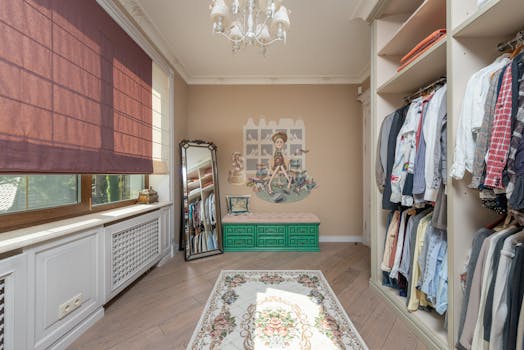
Building a Sustainable Wardrobe: A Transformative Guide for Conscious Shoppers
Fashion is more than just what we wear—it's a daily decision that impacts our planet, our health, and our future. As awareness about the environmental and ethical impact of the clothing industry grows, many people are taking steps to build a sustainable wardrobe. But what exactly does a sustainable wardrobe look like, and how can you create one without sacrificing style, comfort, or practicality? This guide explores actionable strategies, key considerations, and practical steps for anyone ready to make more conscious clothing choices.
The True Cost of Clothing: Why Rethinking Your Wardrobe Matters
Every year, the world produces over 92 million tons of textile waste, according to the Ellen MacArthur Foundation. The fashion industry is responsible for about 10% of global carbon emissions—more than all international flights and maritime shipping combined. Fast fashion, characterized by cheap, trendy, and disposable clothing, accelerates this impact. The average American throws away 81 pounds of clothing annually, much of which ends up in landfills or incinerators.
Beyond environmental harm, the industry is notorious for poor labor practices and unsafe working conditions. By choosing to build a sustainable wardrobe, you can help reduce waste, lower emissions, and support ethical labor practices—while also curating a closet that reflects long-term value and personal style.
Understanding Sustainable Fashion: Beyond Organic Cotton and Recycled Polyester
Many discussions about sustainability in clothing focus on specific materials like organic cotton or recycled polyester. While these are important, truly sustainable fashion involves a holistic approach that considers:
- $1 Choosing clothes that stand the test of time, both in quality and style. - $1 Supporting brands that pay fair wages and provide safe working conditions. - $1 Looking at the life cycle of a garment, from water usage to chemical dyes and microplastics. - $1 Embracing repair, reuse, and recycling to keep clothing out of landfills.A sustainable wardrobe is not just about "buying better," but also about "buying less," making the most of what you already own, and changing your relationship with fashion.
Building Blocks: Step-by-Step Approach to a Sustainable Wardrobe
Transitioning to a sustainable wardrobe doesn't happen overnight. Here’s a step-by-step approach to help guide your journey:
1. $1 Start by taking inventory. Sort your clothes into categories: keep, donate, recycle, and repair. The goal is to get a clear picture of what you own and identify pieces that truly fit your lifestyle. 2. $1 Sustainable wardrobes rely on versatility. Create a mood board or list your favorite colors, cuts, and fabrics. This will help you make intentional purchases and avoid impulse buys. 3. $1 Invest in well-made, timeless pieces rather than fleeting trends. Look for reinforced seams, natural fibers, and brands with transparency about their materials and manufacturing. 4. $1 Shopping secondhand is one of the most sustainable choices you can make. According to thredUP’s 2023 Resale Report, buying used instead of new cuts carbon emissions by an average of 82% per item. 5. $1 Extending the life of your clothes is crucial. Learn to sew on buttons, patch small holes, or use fabric shavers to keep knits looking new. Proper washing (using cold water and gentle cycles) also reduces wear and energy use. 6. $1 Adopt a “one in, one out” rule to prevent over-accumulation. Consider the true cost of each purchase, not just the price tag.Sustainable Shopping: How to Identify Responsible Brands and Materials
Navigating the world of sustainable fashion labels can be overwhelming. Not all “eco-friendly” claims are equal, and greenwashing—misleading marketing about environmental benefits—is common. Here’s how to make informed choices:
- $1 Genuine sustainability claims are often backed by third-party certifications. Common ones include GOTS (Global Organic Textile Standard) for organic fibers, Fair Trade Certified for ethical labor, and OEKO-TEX for chemical safety. - $1 Choose brands that openly share details about their supply chain, factory conditions, and sourcing. Transparency is a strong indicator of accountability. - $1 While organic cotton, TENCEL, and recycled materials are generally better, consider the entire lifecycle. For example, while bamboo is marketed as eco-friendly, some processing methods involve harsh chemicals.Below is a comparison table of some commonly used sustainable materials:
| Material | Environmental Impact | Durability | Common Uses |
|---|---|---|---|
| Organic Cotton | Low pesticide use, less water than conventional cotton | High | T-shirts, jeans, underwear |
| Recycled Polyester (rPET) | Reduces plastic waste, lower carbon footprint | Medium-High | Activewear, outerwear |
| TENCEL (Lyocell) | Made from wood pulp, closed-loop process | High | Dresses, shirts, bedding |
| Hemp | Minimal water, grows without pesticides | Very High | Pants, shirts, bags |
| Linen | Requires little water and pesticides | High | Summer wear, home textiles |
Curating a Capsule Closet: Quality, Versatility, and Personal Expression
A capsule wardrobe is a collection of versatile pieces that can be mixed and matched to create many outfits. This approach naturally aligns with sustainability by emphasizing fewer, better pieces. Research from the London College of Fashion found that people wear only about 44% of the clothing in their closets regularly. Creating a capsule wardrobe can help you get the most from what you own.
Key principles for a sustainable capsule wardrobe:
- $1 This ensures that most items are interchangeable. - $1 Classic shapes don’t go out of style. - $1 Many capsule wardrobes include 30-40 items per season, including shoes and outerwear.For example, a well-rounded capsule might include:
- 2 pairs of jeans - 2 pairs of trousers - 3 skirts or dresses - 5 tops (mix of shirts, blouses, tees) - 2 sweaters or cardigans - 1 blazer - 2 pairs of shoes (casual and formal) - 1 coatThis approach not only reduces decision fatigue but also encourages mindful purchasing and long-term satisfaction.
Community and Circularity: Sharing, Swapping, and Upcycling
Sustainability in fashion thrives on community and creativity. Instead of simply buying less, consider how you can keep clothing in use and out of landfills through:
- $1 Host a swap with friends or join community events. Swapping extends the life of garments and refreshes your wardrobe at no cost. - $1 For special occasions, renting outfits reduces one-time purchases. In 2023, the global clothing rental market was valued at $1.8 billion, and it’s expected to double by 2028. - $1 Transform old or damaged clothes into new items—think tote bags from tees, or patchwork from denim scraps.These practices build a sense of connection and creativity, and they directly contribute to a more circular economy in fashion.
Looking Ahead: The Future of Sustainable Wardrobes
Building a sustainable wardrobe is an ongoing journey that evolves with your needs, values, and lifestyle. As technology advances, new materials and innovations—like lab-grown leather or biodegradable synthetics—promise even more sustainable options ahead. Meanwhile, growing consumer demand is prompting major brands to rethink their operations; in 2023, over 65% of global fashion executives named sustainability as a top priority, according to McKinsey & Co.
Ultimately, the most sustainable wardrobe is one that is loved, maintained, and built with intention. By embracing mindful habits, supporting responsible brands, and engaging with your community, you play a pivotal role in shaping a more ethical and eco-friendly fashion future.