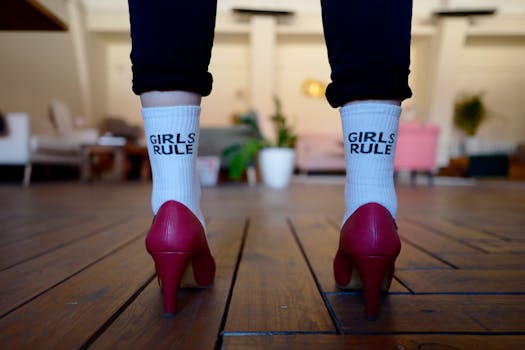
Fashion has always been a visual language, reflecting society’s collective values and beliefs. In recent years, a shift has occurred that’s transforming not just what we wear, but how we think about clothing altogether. Gender-neutral fashion—also known as unisex, agender, or non-binary fashion—has moved from the fringes of avant-garde style to the heart of mainstream culture. As the boundaries between traditionally “masculine” and “feminine” fashion blur, designers, brands, and consumers are embracing clothing that transcends gender lines. In this article, we’ll explore the emergence of gender-neutral fashion, its cultural significance, industry impact, and the ways it’s reshaping wardrobes and mindsets for people around the world.
The Cultural Shift: Why Gender-Neutral Fashion is Rising
The surge in gender-neutral fashion is not happening in a vacuum. It’s deeply connected to broader conversations about gender identity and expression. According to a 2022 Pew Research Center survey, about 5% of young adults in the United States identify as non-binary or transgender. This growing demographic challenges a binary view of gender, and their visibility has prompted a cultural reevaluation of what clothing means.
Fashion has historically reinforced gender roles—think of the skirt for women and the suit for men. But as society acknowledges the spectrum of gender identities, clothing is being reimagined as a tool for self-expression rather than a rigid signal of one’s sex. Social media has played a major role in amplifying voices from the LGBTQ+ community, popularizing looks that subvert conventional gender norms. From TikTok’s #genderfluidfashion tag (which has racked up over 200 million views as of 2024) to Instagram influencers like Alok Vaid-Menon, who champion “gender non-conforming” style, online platforms are democratizing fashion and accelerating its evolution.
Designers and Brands Leading the Way
Major fashion houses and emerging labels alike are embracing the shift toward gender-neutral design. Notably, Gucci’s “MX” collection, launched in 2020, offered gender-fluid ready-to-wear pieces modeled by non-binary talent. Meanwhile, high-street brands like H&M, Zara, and ASOS have introduced “unisex” or “genderless” lines, making the trend accessible to a mass audience.
Independent brands have also flourished in this space. Labels such as Telfar, founded by Telfar Clemens, market their products as “not for you—for everyone,” exemplifying the inclusive ethos of the movement. Another standout is Rad Hourani, who debuted the first unisex haute couture collection in Paris in 2013, sparking critical conversations about what luxury fashion can be.
According to a 2023 report by McKinsey & Company, sales of gender-neutral apparel grew by 35% between 2019 and 2023—outpacing the overall global apparel market, which grew by 15% in the same period. This shift highlights not only a cultural but also a commercial imperative for brands to be inclusive.
Key Features of Gender-Neutral Fashion
So, what sets gender-neutral fashion apart from traditional men’s or women’s clothing? At its core, gender-neutral design prioritizes versatility, comfort, and inclusivity. Here are some defining characteristics:
- $1 Gender-neutral collections often use relaxed, oversized, or boxy shapes that suit a wide range of bodies. - $1 While early unisex fashion leaned on monochrome or neutral tones, today’s gender-neutral designers embrace vibrant colors and patterns, rejecting the idea that certain shades belong to specific genders. - $1 Many brands are moving away from men’s/women’s sizing, offering a single, inclusive range with more flexible fit options. - $1 Features like button placement, pocket size, and tailoring—historically gendered—are now reconsidered for universal appeal.This approach not only broadens the appeal of clothing but also makes the shopping experience more comfortable for those who don’t identify with traditional gender categories.
Comparing Gender-Neutral and Traditional Fashion
To better understand the distinctions, let’s look at a side-by-side comparison of gender-neutral fashion versus traditional gendered clothing:
| Aspect | Gender-Neutral Fashion | Traditional Fashion |
|---|---|---|
| Sizing | Unified sizing, typically numeric or XS-XL, designed to fit all body types | Divided into men's and women's sizes, often based on sex-specific measurements |
| Design Details | Button placement, tailoring, and pockets designed for universal fit and function | Gender-specific details (e.g., buttons on different sides, differing pocket sizes) |
| Marketing | Inclusive language and diverse models; appeals to all genders | Targeted language and imagery based on binary gender |
| Color Palette | Broad range, no gendered color associations | Traditional associations (e.g., pastels for women, dark colors for men) |
| Price Point | Often aims for parity between items | “Pink tax” or price discrepancies between men’s and women’s items |
This comparison reveals that gender-neutral fashion is more than a marketing buzzword—it’s a rethinking of the entire design, production, and retail process.
The Impact on Consumers and Shopping Experiences
The rise of gender-neutral fashion is transforming the way people shop. For those who have long felt restricted by the men’s or women’s aisles, the option to choose based on taste and comfort rather than gender is liberating. Data from a 2023 survey by The Business of Fashion found that 56% of Gen Z consumers globally have purchased clothing from brands marketing gender-neutral or unisex items.
Retailers are responding by redesigning store layouts and online navigation. Instead of splitting collections by gender, some stores now organize by clothing type, color, or fit. This approach not only supports inclusivity but also boosts sales—ASOS reported a 24% increase in basket size for customers shopping in its “unisex” edit versus traditional gendered sections.
Moreover, gender-neutral fashion addresses the longstanding issue of the “pink tax,” where women’s clothing and accessories are often priced higher than men’s. By offering unified collections, brands can create greater pricing parity and transparency.
Cultural and Social Implications of Gender-Neutral Fashion
The shift towards gender-neutral clothing is more than a style trend—it’s a reflection of changing social attitudes. As conversations about gender identity become more mainstream, fashion serves as both a catalyst and a mirror for progress.
For many people, wearing gender-neutral clothing is an act of self-affirmation. It allows individuals to express their identities without feeling constrained by outdated norms. Celebrities such as Billy Porter, Janelle Monáe, and Harry Styles have brought visibility to non-binary dressing on red carpets, challenging what it means to be “masculine” or “feminine” in the public eye.
Schools and workplaces are also beginning to adapt. Uniform policies are being updated to remove gendered requirements, and many organizations now encourage employees to dress in ways that feel authentic to them. This evolution supports not only those who identify as non-binary or transgender but also anyone who wishes to explore a broader range of personal style.
Challenges and the Future of Gender-Neutral Fashion
While gender-neutral fashion has made significant strides, challenges remain. Sizing can still be difficult, as standardizing fits that work for the full spectrum of body shapes is complex. Some critics argue that “gender-neutral” lines sometimes default to traditionally masculine silhouettes, potentially excluding those who want more fluid or feminine options.
Additionally, the movement must avoid becoming a superficial marketing trend. Genuine inclusivity requires brands to listen to and involve gender-diverse voices in the design and decision-making processes. The inclusion of non-binary designers, models, and creatives is essential to ensure authenticity.
Looking ahead, the future of gender-neutral fashion is bright. Industry analysts predict that by 2030, gender-neutral clothing could account for up to 20% of the global apparel market, driven by Gen Z and Millennial consumers. As technology enables more personalized and customizable clothing options, the distinctions between “men’s” and “women’s” fashion may continue to fade.
Gender-Neutral Fashion: A New Era of Style
The emergence of gender-neutral fashion marks a pivotal moment in the evolution of style. What began as a niche movement has rapidly gained momentum, challenging entrenched norms and opening up new possibilities for self-expression. As brands, designers, and consumers embrace fluidity and inclusivity, fashion is becoming a more welcoming space for everyone—regardless of gender identity. The trend isn’t just about clothes; it’s about creating a culture where authenticity and freedom of expression are paramount. In this new era, the most stylish thing you can wear is yourself.