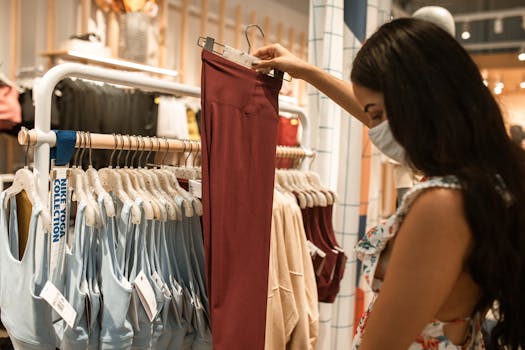
The influence of social media on the fashion world is undeniable. In just over a decade, platforms like Instagram, TikTok, and Pinterest have transformed the way fashion is created, consumed, and discussed. From democratizing trends to launching new careers, the digital revolution has sped up cycles, brought diverse voices to the forefront, and given fashion fans unprecedented access to designers, brands, and celebrities. But what exactly does this transformation look like, and what does it mean for the future of fashion? Let’s explore how social media is shaping the fashion world in dynamic and sometimes unexpected ways.
The Democratization of Fashion Influence
Before the rise of social media, the fashion world was largely guided by a select group of editors, designers, and high-profile celebrities. Trends would trickle down from luxury runways in Paris, Milan, or New York, eventually making their way to the masses. Today, however, the balance of power has shifted dramatically.
Anyone with a smartphone and a sense of style can influence fashion trends. Platforms like Instagram have over 2 billion monthly active users as of 2024, many of whom turn to the app for fashion inspiration and discovery. Micro-influencers, with between 10,000 and 100,000 followers, often have higher engagement rates than traditional celebrities. According to a 2023 study by Influencer Marketing Hub, micro-influencers in the fashion sector boast engagement rates upwards of 3.8%, compared to just 1.2% for mega-celebrities.
This democratization means niche trends, subcultures, and previously underrepresented voices can gain traction. For example, the “cottagecore” aesthetic, with its focus on rural, vintage-inspired looks, exploded on TikTok and Instagram, inspiring thousands of brands to launch collections catering to this niche taste.
Accelerating Trend Cycles and Fast Fashion
One of the most dramatic effects of social media on fashion is the speed at which trends now move. Previously, fashion cycles were guided by seasonal runway shows and magazine publications, with trends lasting several months, if not years. Social media has compressed these cycles into mere weeks—or even days.
TikTok, in particular, has become a breeding ground for viral fashion moments. The hashtag #TikTokFashion has garnered over 7 billion views, and a single viral video can spark a worldwide craze overnight. For example, the “Coastal Grandmother” style, popularized in spring 2022, saw brands scrambling to produce linen pants and oversized sweaters to meet sudden demand.
This acceleration has also contributed to the growth of fast fashion giants. Brands like SHEIN and Zara monitor social media platforms for trending styles, rapidly producing and shipping new items in as little as five days. According to Statista, SHEIN’s revenue reached $24 billion in 2023, largely because of its ability to react instantly to online trends.
However, this speed has raised concerns about sustainability and overconsumption, with critics arguing that the constant churn of new styles encourages waste and undermines the value of lasting craftsmanship.
Direct-to-Consumer Brands and Social Shopping
Social media has revolutionized the way fashion brands interact with their customers. Direct-to-consumer (DTC) brands like Glossier, Everlane, and Gymshark have built their businesses almost entirely on social media, bypassing traditional retail channels and connecting with shoppers on Instagram, TikTok, and Facebook.
A report by eMarketer found that 48% of American internet users had purchased a product they discovered on social media in 2023. Instagram Shopping, introduced in 2020, now allows users to browse and buy products without leaving the app. TikTok launched its own in-app shopping feature in late 2022, further blurring the lines between content and commerce.
This shift has helped smaller and independent brands gain visibility. For instance, Black-owned fashion brands saw a surge in followers and sales during the #BlackLivesMatter movement thanks to viral social media campaigns. Consumers are increasingly seeking out brands that align with their values, and social media provides the transparency and storytelling platforms needed to build those relationships.
The Rise of Fashion Influencers and Personal Branding
Perhaps nowhere is the impact of social media more visible than in the rise of fashion influencers. What began as a niche hobby for early bloggers like Chiara Ferragni and Aimee Song has blossomed into a billion-dollar industry. Influencer marketing is expected to reach $21.1 billion globally in 2024, with fashion accounting for a significant share.
Influencers now act as style arbiters, trendsetters, and even designers. Many have launched their own clothing lines in partnership with established brands or independently. For example, Danielle Bernstein, founder of the blog “WeWoreWhat,” turned her online presence into a fashion empire, including collaborations with Macy’s and her own swimwear line.
Influencers also offer brands access to engaged, loyal audiences. According to a 2023 Nielsen study, 92% of consumers trust influencer recommendations over traditional advertisements. Influencers’ ability to create authentic, relatable content often leads to higher conversion rates and stronger brand affinity.
Below is a comparison of traditional celebrity endorsements versus influencer marketing in fashion:
| Aspect | Traditional Celebrity Endorsements | Influencer Marketing |
|---|---|---|
| Engagement Rate | 1.2% | 3.8% (micro-influencers) |
| Cost | High (often millions per campaign) | Varies (from hundreds to tens of thousands) |
| Audience Reach | Broad, mainstream | Targeted, niche communities |
| Authenticity | Perceived as scripted | Viewed as genuine/relatable |
| Speed of Impact | Slower, tied to campaign timelines | Instant, real-time feedback |
Globalization and Cultural Exchange Through Social Media
Social media has made the fashion world more interconnected than ever before. Instagram and TikTok users routinely draw inspiration from around the globe, leading to a greater exchange of styles, cultural motifs, and design philosophies.
Korean street fashion, for example, has seen a massive surge in global popularity thanks to the rise of K-pop stars and influencers. In 2023, Pinterest reported a 120% increase in searches for “Korean fashion” globally. Similarly, African prints and fabrics have found new audiences in Europe and North America, propelled by viral content and influencer collaborations.
This global exposure encourages designers to experiment with cross-cultural references, creating hybrid styles that blend elements from multiple traditions. However, it also raises important conversations about cultural appropriation and the importance of crediting original sources.
Fashion Activism and Social Responsibility
Finally, social media has given rise to a new era of fashion activism. Consumers now expect brands to take stands on social, political, and environmental issues. Hashtags like #WhoMadeMyClothes and #SustainableFashion have trended worldwide, holding brands accountable for their practices.
In 2022, the Fashion Revolution movement’s hashtag was used over 1 million times on Instagram, sparking conversations about transparency in supply chains. Similarly, campaigns like #PullUpOrShutUp pressured beauty and fashion brands to release diversity data about their employees.
Social media platforms serve as watchdogs, amplifying consumer voices and driving real change. Brands that ignore these conversations risk damaging their reputations and losing customer trust. According to a 2023 Edelman Trust Barometer report, 63% of global consumers said they would buy or boycott a brand based on its stance on social issues.
Conclusion
Social media’s impact on the fashion world is profound and multifaceted. It has democratized influence, sped up trend cycles, empowered new business models, and fostered global cultural exchange. At the same time, it has created new challenges around sustainability, authenticity, and ethics. As the digital landscape continues to evolve, the fashion industry must adapt, embracing the opportunities and navigating the risks that social media presents. One thing is clear: the future of fashion will be shaped as much by the voices on our screens as by the designers in their studios.