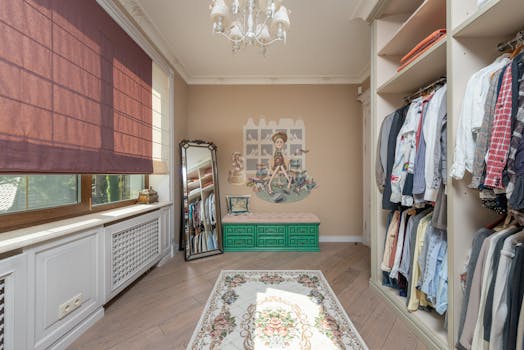
Building a sustainable wardrobe is more than just a passing trend—it’s a conscious lifestyle shift that prioritizes environmental responsibility, ethical choices, and long-term value. With the fashion industry being the second-largest polluter globally—responsible for about 10% of annual global carbon emissions—adopting sustainable wardrobe habits can significantly reduce your ecological footprint. Whether you’re a fashion enthusiast or simply seeking to minimize waste, learning how to curate a wardrobe that’s both stylish and sustainable is a rewarding endeavor.
This comprehensive guide explores actionable steps and creative strategies to help you build a sustainable wardrobe. We’ll delve into practical tips, innovative approaches, and data-driven comparisons so you can make informed decisions that benefit both your closet and the planet.
Understanding the True Cost of Clothing
Before overhauling your wardrobe, it’s essential to grasp the broader environmental and social impacts of clothing production. According to the United Nations Environment Programme, the fashion industry consumes around 93 billion cubic meters of water annually—enough to meet the needs of five million people. Additionally, over 85% of all textiles end up in landfills each year.
But sustainability in fashion goes beyond environmental concerns. It encompasses fair wages, safe working conditions, and respect for human rights throughout the supply chain. A truly sustainable wardrobe considers both the planet and its people.
Key facts: - Fashion industry emits more carbon than international flights and maritime shipping combined. - 1 in 6 people worldwide works in the global fashion industry, many without fair labor protections. - The average American throws away about 81 pounds of clothing per year.By understanding these statistics, you can better appreciate the impact of your clothing choices and feel empowered to make positive changes.
Quality Over Quantity: The Capsule Wardrobe Approach
One of the most effective ways to build a sustainable wardrobe is by embracing the capsule wardrobe concept. Popularized in the last decade, a capsule wardrobe consists of a limited number of versatile, high-quality pieces that you genuinely love and wear regularly.
Why choose a capsule wardrobe? - Reduces impulse purchases and overconsumption - Makes outfit planning easier and less stressful - Encourages investment in durable, timeless piecesA well-curated capsule wardrobe typically contains 30-50 items, including shoes and accessories. This approach contrasts sharply with the average American’s closet, which contains about 103 items, many of which go unworn.
Here’s a comparison of the capsule wardrobe versus a traditional wardrobe:
| Feature | Capsule Wardrobe | Traditional Wardrobe |
|---|---|---|
| Average Number of Items | 30-50 | 100+ |
| Average Wear per Item (per year) | 30+ | 7 |
| Annual Clothing Purchases | 10-15 | 60+ |
| Wardrobe Lifespan | 5+ years | 1-2 years |
This streamlined approach not only lessens your environmental impact but also enhances your personal style by focusing on what truly suits you.
Choosing Sustainable Fabrics and Materials
Fabric choice is a cornerstone of a sustainable wardrobe. Traditional textiles like polyester and conventional cotton have significant environmental drawbacks: polyester is derived from petroleum and can take up to 200 years to decompose, while conventional cotton cultivation uses 16% of the world’s insecticides.
Instead, look for garments made from: - Organic cotton (uses 91% less water than conventional cotton) - Linen (biodegradable and requires minimal pesticides) - Tencel/Lyocell (produced from sustainably sourced wood pulp) - Recycled fibers (reduces landfill waste and resource consumption)Certifications such as GOTS (Global Organic Textile Standard), OEKO-TEX, and Fair Trade provide additional assurance of environmental and ethical standards.
Practical tip: Always read garment labels and research unfamiliar materials. Some blends, like recycled polyester, offer a balance between durability and sustainability when used thoughtfully.
Shopping Strategies: Secondhand, Rental, and Ethical Brands
Building a sustainable wardrobe doesn’t mean you have to stop shopping altogether—it’s about shopping smarter.
Secondhand Shopping: Platforms like ThredUP, Depop, and local thrift stores offer gently used clothing at a fraction of the environmental cost. In 2023, the secondhand apparel market was valued at $40 billion in the US alone and is projected to double in size by 2027.
Clothing Rental: Services such as Rent the Runway and Nuuly allow you to enjoy “new” looks without the environmental burden of ownership. Renting is especially effective for special occasions or trend-based pieces you’re unlikely to wear often.
Ethical Brands: Seek out brands that prioritize transparency, fair labor practices, and sustainable materials. Notable examples include Patagonia, Eileen Fisher, and Reformation. These companies often publish annual impact reports detailing their progress.
When shopping, consider the “30 wears” test: before purchasing, ask yourself if you’ll wear the item at least 30 times. If the answer is no, reconsider your purchase.
Caring for Your Clothes: Extending Lifespan and Reducing Waste
One of the most overlooked aspects of wardrobe sustainability is garment care. Proper maintenance can double, if not triple, the lifespan of your clothing.
Washing: - Wash clothes less frequently and only when necessary. According to Levi Strauss & Co., washing jeans after every 10 wears instead of every 2 wears reduces energy use and water consumption by up to 80%. - Use cold water to save energy—90% of the energy used in washing machines goes toward heating water. - Choose eco-friendly detergents and avoid fabric softeners that release microplastics. Drying: - Air-dry whenever possible to reduce energy usage and fabric wear. - If machine drying is necessary, use low heat settings. Repairing: - Mend small tears, replace buttons, and patch worn areas instead of discarding clothing. - Many brands offer repair programs; Patagonia’s Worn Wear program has repaired over 100,000 garments since 2013. Storing: - Store clothes in a cool, dry place and use padded hangers to retain garment shape.By investing a little time in care and repair, you can dramatically reduce your fashion waste and save money in the long run.
Mindful Decluttering and Responsible Disposal
Transitioning to a sustainable wardrobe often means letting go of items that no longer serve you. However, it’s important to declutter responsibly to avoid contributing to landfill waste.
Donation: - Donate wearable items to local shelters, thrift stores, or organizations like Dress for Success. - Ensure clothes are clean and in good condition—charities spend millions annually disposing of unusable donations. Textile Recycling: - For garments too worn to donate, seek out textile recycling programs. In 2022, 3.1 million tons of textiles were recycled in the US, but this is only a fraction of what’s possible. - Brands like H&M and Levi’s offer in-store textile recycling bins. Upcycling: - Repurpose old clothing into cleaning rags, tote bags, or quilted projects. - Get creative with DIY alterations to breathe new life into outdated pieces.By thoughtfully managing your wardrobe’s outflow, you help close the loop and support a circular fashion economy.
Conclusion
Building a sustainable wardrobe is a journey, not a destination. By focusing on quality over quantity, choosing eco-friendly materials, embracing secondhand and rental options, caring for your garments, and disposing of unwanted items responsibly, you can make a significant difference for the planet and future generations. Every conscious choice you make sends a powerful message to the fashion industry—one that demands sustainability, transparency, and respect for both people and the environment.
Remember, you don’t have to transform your wardrobe overnight. Start small, set realistic goals, and celebrate every positive step along the way. Sustainable fashion is about progress, not perfection.