Technology and fashion have long influenced each other, but in the 21st century, their relationship has become more dynamic and intertwined than ever before. From the way clothes are designed and produced to how consumers interact with brands and shop for products, technology is reshaping every aspect of the fashion industry. This transformation is not only driving innovation but also redefining what is possible in terms of creativity, sustainability, and customer experience. In this article, we’ll delve into the many ways modern technologies are changing fashion, spotlighting real-world applications, industry statistics, and future trends that are capturing imaginations worldwide.
Smart Textiles and Wearable Technology: Fashion Goes Digital
One of the most striking impacts of technology in fashion is the advent of smart textiles and wearable tech. These innovations merge function and style, pushing the boundaries of what apparel can do.
Smart textiles, often referred to as "e-textiles," incorporate digital components such as sensors, LEDs, and conductive threads directly into fabrics. For instance, Levi’s and Google collaborated on the Jacquard jacket, which allows wearers to control their smartphone via gestures on the jacket’s sleeve. Similarly, companies like CuteCircuit have produced dresses embedded with programmable LEDs, enabling the garment to change color and pattern in real time.
The wearable tech market is booming. According to Statista, the global wearable technology market is projected to reach over $186 billion by 2028, up from $61 billion in 2022. Beyond fitness trackers and smartwatches, fashion-forward wearables now monitor posture, adjust temperature, and even track biometric data for health.
This technological leap is making clothing smarter, but also opening up new avenues for personalization and functionality, blurring the line between fashion and technology.
3D Printing: Revolutionizing Fashion Design and Production
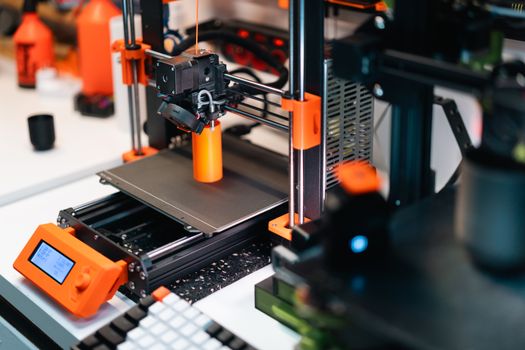
3D printing has emerged as a game-changer in the fashion world, enabling designers to create intricate structures and shapes that were previously impossible or prohibitively expensive to produce. This technology reduces material waste and shortens production cycles, making it an attractive tool for both haute couture and ready-to-wear brands.
Pioneering designers like Iris van Herpen have showcased 3D-printed dresses on international runways, demonstrating the creative potential of the medium. Adidas, too, has embraced 3D printing with its Futurecraft 4D sneakers, which feature midsoles printed from a liquid resin using digital light synthesis.
The advantages of 3D printing in fashion include:
- Customization: Clothing and shoes can be tailored to individual body shapes, improving fit and comfort. - Sustainability: By producing items on demand, brands can minimize overproduction and reduce inventory waste. - Speed: Prototypes can be produced in hours rather than weeks, accelerating the design process.A 2023 report by Grand View Research estimates that the 3D printing market in fashion will grow at a compound annual growth rate (CAGR) of 20.4% from 2022 to 2030. As the technology becomes more accessible, expect to see even more integration into mainstream fashion.
Artificial Intelligence: Data-Driven Creativity and Consumer Experience
Artificial Intelligence (AI) is transforming how fashion brands design, market, and sell their products. AI-driven analytics are helping brands anticipate trends, manage inventory, and personalize marketing campaigns, resulting in more efficient operations and a better customer experience.
In design, AI algorithms can analyze vast amounts of data from social media, runway shows, and retail sales to predict upcoming trends. This allows brands to make data-informed decisions about which styles and colors will resonate with consumers. For example, Stitch Fix, an online personal styling service, uses AI to recommend clothing to customers based on their preferences, purchase history, and feedback.
AI-powered chatbots and virtual assistants are also enhancing the online shopping experience. According to Juniper Research, by 2026, over 90% of customer interactions in fashion retail will be managed by AI, compared to 46% in 2021.
Furthermore, AI is enabling hyper-personalization. Zalando, a leading European e-commerce company, uses machine learning to offer curated outfit suggestions, increasing customer engagement and retention.
Augmented Reality and Virtual Try-Ons: The Future of Shopping
Shopping for clothes online can be difficult due to uncertainties about fit, color, and style. Augmented Reality (AR) and Virtual Reality (VR) are addressing these challenges by allowing consumers to try on clothing virtually without leaving their homes.
AR technology superimposes digital images onto a real-world view using smartphones or AR-enabled devices. Major brands like Gucci and Nike have launched AR apps that let customers see how shoes or accessories will look on them. Warby Parker’s Virtual Try-On feature enables users to see how different frames suit their face shape in real time.
Virtual fitting rooms are also gaining traction. According to a 2022 survey by Retail Dive, 63% of consumers said they would be more likely to purchase clothing online if they could try it virtually first.
Here’s a comparison of traditional vs. technology-driven shopping experiences:
| Aspect | Traditional Shopping | Tech-Enhanced Shopping |
|---|---|---|
| Try-On Experience | Physical fitting rooms | Virtual try-ons with AR/VR |
| Personalization | Limited; relies on staff | AI-driven recommendations |
| Convenience | In-person only | Anytime, anywhere access |
| Inventory | Stock limitations in-store | Access to full digital catalog |
| Returns | Higher due to sizing issues | Reduced by accurate virtual fits |
The integration of AR and VR is not just improving convenience; it’s also reducing returns and increasing customer confidence, which is vital for e-commerce profitability.
Blockchain and Transparency: Trust in the Fashion Supply Chain
The fashion industry has long grappled with issues like counterfeiting, labor rights violations, and supply chain opacity. Blockchain technology is emerging as a solution to these challenges by providing transparent, tamper-proof records of a product’s journey from raw materials to finished garment.
With blockchain, consumers can scan a QR code on a garment’s label to access information about where and how it was made. Luxury brands such as LVMH, Prada, and Richemont have partnered to launch the Aura Blockchain Consortium, which authenticates high-end products and assures buyers of their provenance.
In a 2022 survey by IBM, 71% of consumers said they are more likely to buy from brands that provide transparency into their supply chains.
Blockchain’s applications in fashion include:
- Authenticity verification: Protecting against counterfeit goods. - Ethical sourcing: Ensuring materials are sourced responsibly. - Supply chain efficiency: Streamlining logistics and reducing fraud.By building trust with consumers and improving traceability, blockchain is helping to create a more ethical and transparent fashion industry.
Sustainability and Technology: Toward a Greener Fashion Future
Sustainability is one of the most urgent concerns in fashion today, as the industry is responsible for about 10% of global carbon emissions and produces 92 million tons of textile waste annually, according to the United Nations.
Technology is playing a pivotal role in addressing these environmental challenges. Innovations such as digital fabric printing reduce water and dye usage, while automated cutting machines minimize material waste. Startups like Bolt Threads are developing lab-grown materials, such as Mylo (a sustainable leather alternative made from mycelium), to replace traditional, resource-intensive textiles.
Moreover, AI-powered tools are helping brands forecast demand more accurately, reducing overproduction—a key contributor to waste. Brands like H&M and Zara are investing in circular fashion platforms, where clothes are designed for durability, repair, and recycling.
The push toward sustainability is both a technological and cultural shift, as brands leverage new tools to meet the demands of environmentally conscious consumers and regulatory pressures.
Final Thoughts on the Use of Technology in Fashion
The fusion of technology and fashion is accelerating, transforming the industry in ways that would have seemed futuristic just a decade ago. From smart textiles and 3D-printed couture to AI-driven personalization and transparent supply chains, these innovations are making fashion more creative, sustainable, and accessible for everyone.
As technology continues to evolve, we can expect even more groundbreaking changes—garments that interact with our digital lives, shopping experiences that blend the physical and virtual, and supply chains that are both ethical and efficient. The only certainty is that the fashion industry will continue to use technology not just as a tool, but as a catalyst for imagination and change.