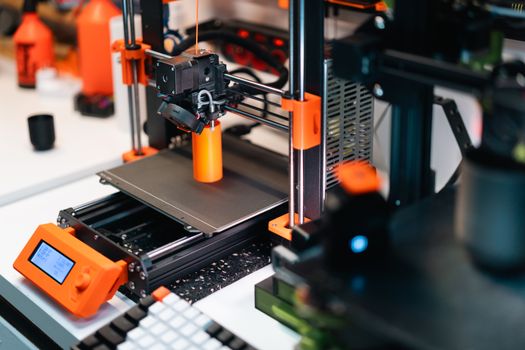
The Impact of Technology on Ethics in the Fashion Industry: How to Address the Challenges
Technology has become a driving force within the fashion industry, shaping everything from how clothes are designed and manufactured to how they are marketed and sold. While these advancements have brought about unprecedented efficiency and creativity, they have also raised complex ethical questions that can no longer be ignored. As consumers grow more conscious of the social and environmental impact of their purchases, fashion brands are under increasing pressure to address the ethical dilemmas posed by technological progress. This article explores the multifaceted impact of technology on ethics in the fashion industry and offers practical strategies for addressing the resulting challenges.
How Technology is Reshaping Ethical Boundaries in Fashion
The integration of technology into fashion has fundamentally altered traditional ethical boundaries. On one hand, digital innovation streamlines production, reduces waste, and enables transparency. On the other, it introduces new dilemmas surrounding privacy, labor rights, and environmental stewardship.
For example, artificial intelligence (AI) now powers predictive analytics for inventory management, potentially minimizing overproduction—a major source of waste in fashion. According to the Ellen MacArthur Foundation, more than 92 million tonnes of textile waste are generated annually worldwide. AI-driven tools promise to lower this figure by forecasting demand more accurately. However, the same AI systems can perpetuate biases if not designed ethically, affecting hiring practices or marketing strategies.
Similarly, the rise of 3D printing and automation has improved efficiency but also threatens the livelihoods of millions of garment workers. The International Labour Organization reports that up to 56% of jobs in the apparel sector in Southeast Asia are at risk of automation. As fashion brands embrace technology, they must carefully weigh these ethical trade-offs.
Data Privacy and Digital Tracking: The New Frontier of Ethical Fashion
With the growth of e-commerce and wearable technology, the fashion industry now collects and analyzes vast amounts of consumer data. Smart clothing, for instance, can monitor biometrics, track physical activity, and even interact with smartphones. While these innovations offer personalized experiences, they also raise significant concerns about data privacy.
A 2022 survey by PwC found that 83% of consumers are concerned about how companies use their personal information. In the fashion sector, digital tracking tools such as virtual fitting rooms or AI-powered shopping assistants collect data on body measurements, preferences, and shopping habits. If mishandled, this sensitive information could be exposed in data breaches or misused for invasive marketing.
To address these challenges, brands must implement strict data protection policies and ensure transparency about data collection and usage. Adhering to regulations such as the EU's General Data Protection Regulation (GDPR) is not just a legal obligation but a key ethical responsibility.
Automation, Labor, and the Human Cost of Innovation
Automation and robotics have revolutionized the way clothes are made, promising faster turnaround times and reduced human error. However, this technological shift poses significant ethical dilemmas for fashion’s global workforce.
According to McKinsey & Company, the adoption of automation technologies could displace up to 800 million jobs worldwide by 2030, many in the textile and garment industry. While some jobs will evolve to focus on higher-level tasks, millions of low-skill workers—often in developing countries—face uncertain futures.
This table summarizes the impact of automation on garment production in key regions:
| Region | Percentage of Apparel Jobs at Risk | Estimated Jobs Affected (Millions) | Key Ethical Concerns |
|---|---|---|---|
| Southeast Asia | 56% | 9.0 | Job loss, worker displacement |
| South Asia | 45% | 12.5 | Income inequality, upskilling needs |
| China | 38% | 6.7 | Economic transition, social impact |
Brands must therefore balance technological progress with social responsibility. Strategies such as offering retraining programs, investing in ethical supply chains, and supporting workers’ rights are essential to mitigate the human cost of innovation.
The Environmental Paradox: Technology’s Double-Edged Sword
Technology presents both solutions and challenges for environmental ethics in fashion. On the positive side, digital tools enable life cycle assessments, track supply chains, and facilitate the development of sustainable materials. For instance, blockchain technology has been adopted by brands like LVMH to trace the journey of raw materials, ensuring ethical sourcing and reducing the risk of environmental harm.
However, technology itself is not without an ecological footprint. The rise of fast fashion e-commerce has led to increased packaging waste and carbon emissions from rapid shipping. According to the United Nations Environment Programme, the fashion industry is responsible for 10% of global carbon emissions—more than all international flights and maritime shipping combined.
Moreover, the use of digital devices and servers to power online platforms and AI tools requires significant energy, much of which still comes from non-renewable sources. E-waste from wearable tech and smart clothing also poses a growing problem, with over 50 million tonnes of electronic waste generated globally each year, as reported by the Global E-waste Monitor.
To address these ethical challenges, brands and consumers alike must prioritize green technology, such as renewable energy-powered server farms, biodegradable packaging, and circular business models that promote recycling and reuse.
Intellectual Property and the Ethics of Digital Design
The digitalization of fashion design has made it easier than ever to create, share, and replicate designs worldwide. While this fosters creativity and collaboration, it also exposes designers to new risks of intellectual property (IP) theft and unethical copying.
Virtual design tools and 3D modeling software enable rapid prototyping and remote collaboration. However, the ease of duplicating digital files means that original designs can be stolen or counterfeited with a few clicks. In 2021, the Organization for Economic Cooperation and Development estimated that the global trade in counterfeit and pirated goods—much of it fashion-related—was worth over $464 billion annually.
The advent of non-fungible tokens (NFTs) and blockchain authentication offers potential solutions by providing immutable digital proof of ownership. However, these technologies are still evolving and present their own ethical dilemmas, including high energy consumption and accessibility barriers.
Fashion brands must strike a balance between embracing digital innovation and protecting the intellectual property rights of designers. Transparent policies, robust legal frameworks, and the adoption of digital authentication tools are critical steps toward ethical digital design.
Building a Framework for Ethical Technology in Fashion
Addressing the ethical challenges posed by technology in the fashion industry requires a comprehensive, proactive approach. Here are some actionable strategies:
1. Ethical Innovation: Brands should integrate ethical considerations at every stage of technological development, from design to deployment. This includes conducting impact assessments and consulting stakeholders, including workers and consumers. 2. Transparent Communication: Clear communication about how technology is used—especially regarding data collection, environmental impact, and labor practices—builds trust with consumers. 3. Industry Collaboration: Working together through industry bodies and cross-sector partnerships can help set common standards for ethical technology use. The Sustainable Apparel Coalition is one example of a collaborative effort to improve industry practices. 4. Ongoing Education: Both employees and consumers need continuous education on the ethical implications of technology in fashion. This includes digital literacy, privacy awareness, and understanding the social impact of automation. 5. Regulatory Compliance: Staying ahead of evolving regulations—such as GDPR for data protection or emerging standards for AI ethics—is essential for long-term success and credibility.By adopting these strategies, the fashion industry can harness the benefits of technology while minimizing ethical risks.
Final Thoughts on Navigating Technology and Ethics in Fashion
The intersection of technology and ethics in the fashion industry is complex and evolving. As digital innovation accelerates, so too do the ethical challenges it creates—from data privacy and environmental impact to labor rights and intellectual property. Yet, these challenges are not insurmountable. By embedding ethical considerations into every facet of technological adoption, fashion brands can build a more sustainable, transparent, and equitable industry for the future.
Consumers, too, play a vital role by demanding accountability and making informed choices. As technology continues to redefine what is possible in fashion, a shared commitment to ethical principles will be crucial in shaping a responsible and resilient industry.