The world of fashion is on the brink of a technological revolution unlike any before. While past decades have witnessed the rise of fast fashion and e-commerce, the next wave promises to reshape not just how clothing is made and sold, but the very nature of what we wear, how we interact with it, and what it means for our planet. From smart textiles and AI-driven design to digital fashion and sustainable manufacturing, the coming years promise to introduce innovations that blur the line between science fiction and everyday reality. Let’s explore the most exciting new technologies in fashion and what awaits us as we look ahead.
Smart Textiles: Clothing That Does More Than Dress
Smart textiles, sometimes called e-textiles or intelligent fabrics, are garments embedded with technology that enables them to sense, react, or adapt to their environment or the wearer’s needs. This field is rapidly evolving, with research firm Statista forecasting the global smart textile market to reach nearly $9.3 billion by 2026, up from $2.5 billion in 2021.
Smart textiles are not just a novelty but are already making inroads in sports, healthcare, and everyday wear. For example:
- Nike has developed self-lacing sneakers, such as the Nike Adapt BB, that adjust for optimal fit via a smartphone app. - Levi’s and Google collaborated on the Jacquard smart jacket, which allows cyclists to control their phone and music with simple gestures on their sleeve. - Hexoskin’s biometric shirts monitor heart rate, breathing, and movement, transmitting data to health apps in real-time.In the next few years, expect to see functional clothing that can:
- Monitor vital health metrics and alert wearers to issues before they become problems. - Adjust temperature or ventilation based on external and body conditions. - Change color or pattern at the touch of a button or in response to mood.The integration of nanotechnology, flexible circuitry, and energy-harvesting fibers will make these features more seamless, comfortable, and accessible, transforming clothing from passive to active participants in daily life.
AI and Machine Learning: The New Designers and Stylists
Artificial intelligence (AI) is already a powerful force in the fashion industry, but the coming years will see its role become even more central to creativity, personalization, and efficiency.
AI-driven design systems can analyze vast datasets of trends, colors, fabrics, and consumer preferences to generate new clothing designs within seconds. For instance, H&M and Zara use AI to predict trends and adjust production schedules, reducing waste and speeding up turnaround times. More creatively, brands like The Fabricant are creating digital-only garments using algorithms, allowing for endless experimentation without material waste.
Personalization is another frontier. AI-powered apps like Stitch Fix and True Fit use customer data to recommend styles and sizes, reducing returns (which cost retailers $428 billion in 2020 globally, according to the National Retail Federation). In the future, AI may:
- Generate custom designs for individual shoppers based on body scans and personal taste. - Offer virtual fitting rooms that simulate exactly how a garment will look and feel. - Optimize supply chains, minimizing overproduction and environmental impact.AI’s growing presence in design and retail will create a more responsive, inclusive, and sustainable fashion ecosystem, while also raising questions about the role of human creativity.
Digital Fashion and Virtual Wardrobes: Dressing for the Metaverse
Perhaps the most radical shift on the horizon is the rise of digital fashion—clothing that exists purely in virtual spaces. As our lives increasingly blend the physical and digital, especially with the rise of the metaverse and augmented reality (AR), digital fashion is poised to become a multibillion-dollar industry.
In 2021, digital fashion house The Fabricant sold a virtual dress for $9,500. Major brands like Gucci, Balenciaga, and Louis Vuitton are already designing skins and outfits for video games and online avatars. According to Morgan Stanley, digital fashion could represent a $50 billion market by 2030.
Benefits and implications of digital fashion include:
- Zero physical waste, making it the ultimate in sustainable clothing. - New creative possibilities unconstrained by physical materials or gravity. - Status and self-expression in digital worlds, from social media to online games. - Opportunities for brands to reach younger, tech-savvy audiences.Consumers may soon purchase outfits they never physically wear but use for social media posts, AR filters, or virtual meetings, fundamentally redefining the purpose of clothing in the digital era.
Sustainable Innovation: Tech for a Greener Fashion Future
Fashion is one of the world’s most polluting industries, responsible for 8-10% of global carbon emissions (UNEP, 2019) and producing over 92 million tons of textile waste annually. New technologies are critical to making fashion more sustainable and circular.
Key innovations include:
- Biofabrication: Companies like Bolt Threads and Modern Meadow are developing lab-grown leather, silk, and other materials using yeast, fungi, or plant cells. These materials require far less water, land, and chemicals than traditional textiles. - Closed-loop recycling: Brands like Adidas and Stella McCartney use systems that turn old garments into new fibers, dramatically reducing waste. - Waterless dyeing: Technologies like Colorifix and DyeCoo use bacteria or carbon dioxide instead of water to dye fabrics, cutting water use by up to 90%. - Blockchain tracking: Digital “passports” for garments ensure transparency about a product’s origin, materials, and lifecycle, empowering consumers to make conscious choices.The table below compares some of the most promising sustainable technologies:
| Technology | Environmental Benefit | Example Brand/Company | Projected Impact by 2030 |
|---|---|---|---|
| Lab-Grown Materials | Reduces water use, pesticide, and animal cruelty | Bolt Threads, Modern Meadow | Could replace up to 30% of traditional leather/silk |
| Closed-Loop Recycling | Minimizes textile waste, conserves resources | Adidas, Stella McCartney | Estimated 20% of apparel recycled annually |
| Waterless Dyeing | Cuts water use by up to 90%, less chemical runoff | Colorifix, DyeCoo | Potential to save 1.3 trillion liters of water per year |
| Blockchain Tracking | Increases transparency, reduces counterfeiting | Everledger, Provenance | Up to 50% of brands using blockchain supply chain |
As these technologies mature, expect to see fashion brands compete not only on style but on their technology-driven sustainability credentials.
3D Printing and On-Demand Manufacturing: The End of Mass Production?
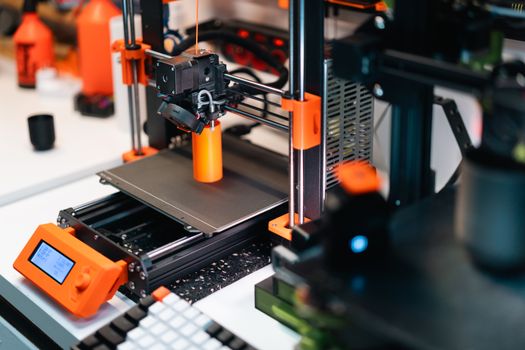
The adoption of 3D printing and on-demand manufacturing is set to radically change how clothing and accessories are produced. 3D printing, also known as additive manufacturing, enables the creation of complex garments and footwear directly from digital files, reducing waste and inventory.
Key developments include:
- Adidas’s Futurecraft 4D shoes, featuring 3D-printed midsoles customized for optimal performance. - Italian designer Danit Peleg, who became famous for 3D-printing entire fashion collections, enabling infinite customization. - Companies like Ministry of Supply using 3D knitting machines to produce seamless, made-to-order garments with minimal waste.On-demand production allows brands to make clothing only when there is a confirmed sale, slashing overproduction—a problem that sees about 30% of all produced fashion items never sold.
Looking to the future, these technologies will enable:
- Hyper-customized clothing tailored to each individual’s measurements and style. - Drastic reductions in shipping, storage, and excess inventory. - Localized, distributed manufacturing, reducing carbon footprints and revitalizing regional economies.Although challenges remain with scalability and cost, continued innovation and falling prices are likely to make 3D-printed and on-demand fashion mainstream within the next decade.
Wearable Tech and Fashion: The Next Level of Integration
Beyond smart textiles, the fusion of wearable technology and fashion offers a glimpse of clothing as a true extension of ourselves. The next wave of wearable tech will not just track steps or display notifications but provide advanced functionality in stylish, discreet forms.
Emerging innovations include:
- Smart jewelry that monitors health metrics or doubles as contactless payment devices. - Augmented reality glasses, such as Meta’s Ray-Ban Stories, blending fashion and function for everyday use. - Solar-powered fabrics that can charge a phone or other devices on the go.The global wearables market is expected to reach $118 billion by 2028 (GlobalData), with fashion-forward designs key to mass adoption. As technology becomes smaller, lighter, and more integrated, expect to see a new generation of fashion that is as functional as it is beautiful.
What Awaits Us: Fashion’s Technological Renaissance
The coming years promise a technological renaissance in fashion, transforming not only what we wear but how we live, express ourselves, and care for our planet. Smart textiles, AI, digital fashion, sustainable manufacturing, 3D printing, and wearables are converging to create a future where clothing is interactive, personalized, environmentally responsible, and even virtual.
Consumers will benefit from greater choice, better fit, and more meaningful connections to their clothing. Brands will leverage technology to reduce waste, increase transparency, and unlock new creative horizons. As these innovations become part of everyday life, the very definition of “fashion” will expand, reflecting not just aesthetics but intelligence, ethics, and experience.