Sustainable Fashion’s Next Chapter: How Cutting-Edge Technology Is Transforming Manufacturing Standards
The world of fashion is undergoing a major transformation. Over the last decade, the call for sustainability in fashion has moved from the fringes to the forefront, pushed by climate change, consumer awareness, and stricter regulations. But what’s less discussed—and rapidly evolving—is the role of technology in setting new, higher standards for how clothes are made. From the rise of digital manufacturing to the use of artificial intelligence for waste reduction and the development of eco-friendly materials in the lab, technology is not just supporting sustainable fashion; it’s revolutionizing it.
This article dives deep into the latest technological trends that are redefining sustainability standards in fashion manufacturing. We’ll look at tangible examples, real-world impacts, and what these changes mean for the future of the industry, its workers, and the planet.
The Tech-Driven Shift: From Linear to Circular Fashion Manufacturing
For decades, the fashion industry followed a linear model: raw materials in, garments out, waste to landfill. The result? The United Nations estimates that the fashion industry is responsible for 8-10% of global carbon emissions and nearly 20% of wastewater.Today, technology is enabling a shift to “circular” manufacturing. In this model, materials are reused, recycled, or upcycled, minimizing waste and resource extraction.
A key example is automated textile sorting and recycling powered by robotics and AI. Companies like Renewcell in Sweden use patented technology to break down old cotton clothing and turn it into Circulose®, a new, high-quality material. In 2023 alone, Renewcell recycled over 20,000 tons of textile waste—equivalent to saving 50 million T-shirts from landfills.
Digital product passports, powered by blockchain, are another innovation. These digital records track garment origin, material content, and recycling instructions, making it easier for brands and consumers to close the loop.
Smart Manufacturing: Automation, 3D Knitting, and On-Demand Production
Traditionally, fashion manufacturing involved mass production, which often led to overstock and waste—globally, an estimated 92 million tons of textile waste is generated each year, according to the Ellen MacArthur Foundation.Technological advances are enabling smarter, more efficient production methods:
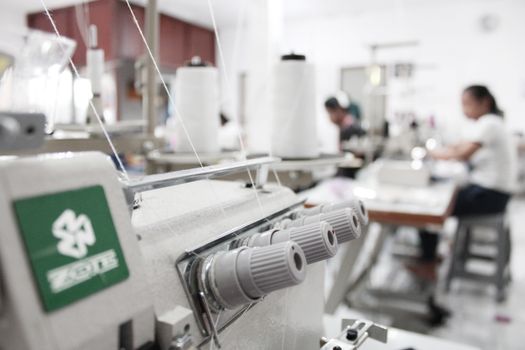
- 3D Knitting: Machines like those from Shima Seiki and Stoll allow brands to produce knitwear with zero waste. Each item is made directly from digital designs, eliminating fabric scraps. - On-demand Production: Brands like Ministry of Supply and Unspun use automated systems to manufacture clothing only after an order is placed, slashing unsold inventory and waste. - Robotics & Automation: Automated sewing robots—such as SoftWear Automation’s Sewbots—are capable of assembling garments faster and with greater precision, reducing labor costs and mistakes.The impact? On-demand models have been shown to reduce inventory waste by up to 30%, while 3D knitting can cut production waste by as much as 80% compared to traditional cut-and-sew methods.
Biofabrication and Next-Generation Materials: Beyond Cotton and Polyester
One of the most exciting frontiers in sustainable fashion is the emergence of biofabricated materials. While cotton and polyester dominate the market (making up nearly 85% of all fibers used), both have significant environmental drawbacks. Cotton is water-intensive, while polyester is derived from fossil fuels and sheds microplastics.Scientists and startups are developing alternatives using biotechnology and fermentation—processes borrowed from food and medicine.
- Mycelium Leather: Companies like MycoWorks and Bolt Threads grow leather-like materials from mycelium, the root structure of mushrooms. This process uses 90% less water and emits far less CO2 than animal leather. - Lab-Grown Silk: Spiber and AMSilk use engineered microbes to produce silk proteins, creating fabrics that are biodegradable and can be made without silkworms or harsh chemicals. - Regenerated Cellulose: Lenzing’s TENCEL™ fibers are made from sustainably sourced wood pulp using a closed-loop process that recycles 99% of solvents.The table below compares traditional and next-generation materials on key sustainability criteria:
| Material | Water Use (liters/kg) | CO2 Emissions (kg/kg) | Microplastic Pollution | End-of-Life |
|---|---|---|---|---|
| Cotton | 10,000 | 3.8 | No | Biodegradable |
| Polyester | 60 | 9.5 | Yes | Non-biodegradable |
| Mycelium Leather | 1,000 | 1.2 | No | Compostable |
| Lab-Grown Silk | 200 | 1.5 | No | Biodegradable |
| TENCEL™ | 1,500 | 0.9 | No | Biodegradable |
Data-Driven Sustainability: Life Cycle Assessment and Supply Chain Transparency
Manufacturers are increasingly turning to data analytics and AI to measure and minimize their environmental impact. The use of Life Cycle Assessment (LCA) tools is growing rapidly—LCA analyzes the full environmental cost of a garment, from raw materials to disposal.For example, Higg Index, developed by the Sustainable Apparel Coalition, lets brands compare the environmental performance of different materials and manufacturing processes. In 2023, over 21,000 facilities and 500 brands used Higg tools to assess their operations.
Digital supply chain platforms like TrusTrace and Everledger use blockchain technology to improve transparency. These systems track the journey of materials from source to store, helping brands ensure compliance with regulations such as the EU’s Corporate Sustainability Reporting Directive (CSRD), which will require traceability data from 2026 onward.
Worker Wellbeing and Tech-Enhanced Ethical Standards
While much of the conversation about sustainable fashion focuses on environmental impacts, social sustainability is equally important. Technology is enabling new standards for worker safety, fair wages, and labor rights. - Wearable Tech: Sensors and smart badges can monitor factory conditions, track exposure to hazardous substances, and ensure compliance with labor laws. - Virtual Auditing: AI-driven platforms can analyze CCTV footage or digital records to spot unsafe conditions or forced labor, allowing for more frequent and effective monitoring than traditional audits. - Digital Wage Platforms: Mobile payment systems and blockchain-based payroll are helping garment workers in countries like Bangladesh and Vietnam receive timely, transparent wages.According to the International Labour Organization, digital wage payments have improved payment speed and reduced wage theft in pilot programs, increasing garment worker satisfaction by over 30%.
The Road Ahead: Challenges and Opportunities for Sustainable Fashion Manufacturing
While technology brings powerful tools for sustainability, challenges remain. Many new processes are expensive or require specialized skills. Small and medium-sized enterprises (SMEs), which make up most of the fashion industry, often lack the resources to adopt cutting-edge systems.Regulatory pressures are mounting. The European Union’s Ecodesign for Sustainable Products Regulation, set to roll out by 2026, will require brands to use more sustainable materials and prove supply chain transparency. This will push more companies to invest in tech-enabled solutions.
Consumer demand is a driving force. A 2023 McKinsey report found that 67% of consumers consider the use of sustainable materials an important purchasing factor, and 42% would pay more for sustainably made clothing.
Collaboration among brands, tech companies, and policymakers will be critical. The future of fashion manufacturing lies in scaling up these innovations—making them more affordable, accessible, and impactful.