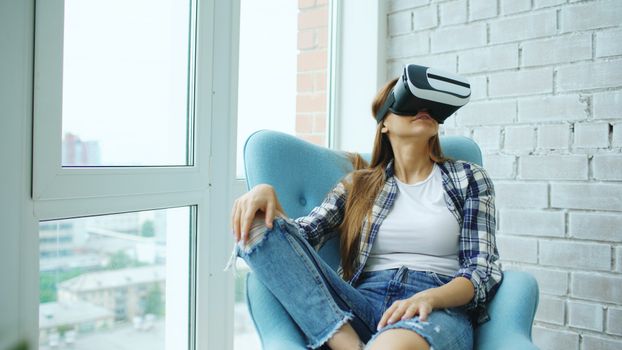
The Impact of Virtual Reality on the Shopping Experience in Fashion
Virtual reality (VR) is rapidly moving beyond the realm of gaming and entertainment, finding its place at the heart of the modern fashion shopping experience. As retail undergoes a digital transformation, VR is emerging as a powerful tool to bridge the gap between online and in-store shopping. By offering immersive, interactive environments, VR is reshaping how consumers browse, try on, and purchase fashion items, delivering experiences that are more engaging, personalized, and informed than ever before.
Adoption of VR in the fashion industry is accelerating: according to Statista, the augmented and virtual reality market in retail is projected to reach $12 billion by 2025, up from just $1.6 billion in 2018. Fashion brands and retailers are seizing this momentum, leveraging VR to captivate tech-savvy customers, reduce return rates, and gain a competitive edge. This article explores the transformative impact of VR on fashion shopping, from virtual fitting rooms to social shopping experiences, and examines the benefits, challenges, and future potential of this game-changing technology.
How Virtual Reality is Redefining Fashion Shopping
Traditional online shopping, while convenient, has always been limited by its inability to replicate the tactile and visual richness of physical stores. Shoppers often struggle to gauge the fit, color, and feel of apparel, leading to uncertainty and high return rates—30% of all online fashion purchases are returned, according to the National Retail Federation. VR technology seeks to overcome these hurdles by creating virtual environments where consumers can interact with products in ways previously unimaginable from home.
Virtual stores allow shoppers to "walk" through lifelike boutiques, browse racks, and view items in 3D. With VR headsets like the Oculus Quest or HTC Vive, users can experience the ambiance of a luxury flagship store or explore a designer’s latest collection as if they were actually there. For instance, Tommy Hilfiger and Ralph Lauren have both launched VR-powered virtual stores, enabling customers to explore and shop collections in immersive, branded settings.
Another key innovation is the virtual fitting room. Using 3D avatars or real-time body scanning, shoppers can try on clothes virtually, visualizing how garments fit and drape on their unique body shapes. Research by BodyBlock AI found that virtual fitting rooms can reduce return rates by up to 36%, as shoppers gain confidence in their choices before making a purchase.
Personalization and Immersion: The New Standard in Fashion Retail
One of the most significant advantages of VR is its ability to deliver truly personalized shopping experiences. By integrating data from previous purchases, preferences, and even biometric scans, VR shopping platforms can curate recommendations and style advice tailored to each individual.
For example, Farfetch’s Store of the Future concept uses VR to blend online and offline elements, equipping shoppers with smart mirrors and virtual stylists. These tools suggest outfits based on the shopper’s tastes, and even allow users to see how different combinations look together in a virtual space.
The sense of immersion provided by VR is also transforming the emotional experience of shopping. Instead of scrolling through endless product grids, consumers are transported into engaging environments—be it a Paris runway show, a sunlit Malibu boutique, or a bustling Tokyo street market. This not only makes shopping more enjoyable, but also strengthens brand loyalty and increases the time customers spend engaging with products.
Social Shopping in Virtual Worlds: A New Era of Connection
Shopping has always been a social activity, and VR is reinventing this aspect for the digital age. Virtual reality platforms now enable shoppers to interact with friends, family, or even fashion influencers in shared virtual spaces, regardless of geographic distance.
In 2023, brands like Gucci and Nike debuted on metaverse platforms such as Roblox and Decentraland, where users create avatars, attend virtual fashion shows, and shop together. These shared experiences blend entertainment, social networking, and commerce, creating a new kind of digital fashion community.
Live VR shopping events are also gaining traction. For example, the platform Obsess hosts virtual pop-up stores where shoppers can join live product launches, chat with stylists, and make purchases in real time. According to a 2022 survey by eMarketer, 41% of Gen Z and Millennial shoppers expressed interest in attending virtual shopping events, highlighting the growing demand for social and interactive retail experiences.
Comparing Traditional, Online, and VR Fashion Shopping
To better understand the unique advantages of VR shopping, it’s helpful to compare it with traditional brick-and-mortar and standard online shopping methods.
| Feature | Brick-and-Mortar | Online Shopping | Virtual Reality Shopping |
|---|---|---|---|
| Product Interaction | Physical touch and try-on | 2D images, limited zoom | 3D visualization, virtual try-on |
| Personalization | In-person stylist, limited data use | Algorithmic recommendations | Biometric fit, immersive styling, data-driven |
| Social Experience | Shop with friends in person | Share links, reviews | Virtual meetups, group shopping, live events |
| Convenience | Travel required, limited hours | Shop anytime, anywhere | Shop anytime, immersive experience from home |
| Return Rates | Low (try before buy) | High (up to 30%) | Reduced (up to 36% lower with VR fit tech) |
| Brand Engagement | Store ambiance, staff | Website design, email | Immersive environments, interactive storytelling |
This comparison highlights how VR shopping combines the best aspects of in-store and online experiences, while introducing new dimensions of personalization and engagement.
Challenges and Limitations of VR in Fashion Shopping
Despite its promise, VR in fashion retail faces several significant hurdles before it becomes truly mainstream.
First, hardware adoption remains a challenge. While VR headsets are becoming more affordable, global penetration is relatively low. As of 2023, only about 32 million VR headsets were in use worldwide, compared to over 5 billion smartphones. This means that for now, VR shopping is largely accessible to early adopters and tech enthusiasts.
Second, creating high-quality, realistic virtual environments and 3D models is resource-intensive. Fashion retailers must invest in specialized software, skilled designers, and robust infrastructure to ensure a seamless VR experience. For smaller brands, these costs can be prohibitive.
User experience is another concern. Some consumers may find VR interfaces confusing or physically uncomfortable, especially during prolonged use. Ensuring accessibility for users of all ages and abilities is critical for widespread adoption.
Finally, data privacy and security must be prioritized. Collecting biometric and behavioral data to personalize VR shopping raises important questions about how this information is stored, shared, and protected.
The Future of Virtual Reality in Fashion Retail
Despite these obstacles, the future of VR in fashion looks bright. Industry experts predict that as hardware becomes more affordable and user-friendly, adoption rates will rise sharply. According to a 2023 PwC report, nearly 23.5 million jobs worldwide could be impacted by VR and AR by 2030, many in retail and fashion sectors.
Advances in AI and machine learning will further enhance the realism and personalization of virtual shopping environments. For instance, AI-driven avatars could soon replicate not only body shape but also movement and facial expressions, allowing for even more accurate virtual fittings and social interactions.
Sustainability is another promising area. By enabling virtual try-ons and reducing unnecessary returns, VR can help lower the carbon footprint of fashion e-commerce. Brands can also use VR to showcase sustainable practices and educate consumers about their environmental impact in creative, memorable ways.
Major retailers are already planning for a future where VR is an integral part of omnichannel strategies. In 2023, Zara announced plans to launch over 100 VR-enabled stores by 2025. As these technologies become more mainstream, shoppers can expect fashion retail to become ever more immersive, interactive, and customer-centric.
Final Thoughts on the Impact of Virtual Reality on Fashion Shopping
Virtual reality is ushering in a new era for the fashion shopping experience. By combining the tactile satisfaction of in-store shopping with the convenience and personalization of online retail, VR is setting new standards for how consumers discover, try, and purchase fashion items. While challenges remain in terms of hardware adoption, cost, and accessibility, the momentum is unmistakable. As technology advances and more brands embrace immersive retail, VR is poised to become a cornerstone of the fashion industry—enhancing not only how we shop, but how we connect with style, brands, and each other.