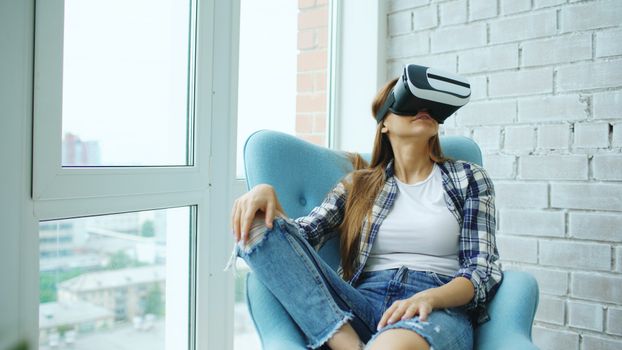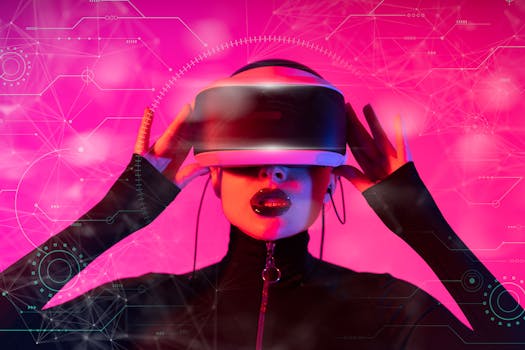
Virtual reality (VR) is no longer just a buzzword in the tech world—it’s rapidly transforming industries, and fashion shopping is at the forefront of this digital revolution. From immersive virtual showrooms to personalized avatars, VR is redefining the way consumers discover, try, and purchase clothing. While its potential is immense, the journey is also paved with complex challenges. In this article, we’ll explore how virtual reality is changing fashion shopping, the exciting opportunities it brings, and the hurdles both brands and shoppers face as this technology becomes mainstream.
The Rise of Virtual Reality in Fashion Shopping
Fashion and technology have long shared a symbiotic relationship. In 2023, the global virtual reality in retail market was valued at $1.8 billion, and it is projected to reach $5.5 billion by 2028, according to MarketsandMarkets. The fashion sector is a significant driver of this growth, as brands look for innovative ways to enhance customer experience and bridge the gap between online and offline shopping.
Major names like Gucci, Tommy Hilfiger, and Nike have already invested in VR showrooms and virtual try-on experiences. For instance, Gucci’s virtual sneakers—only wearable in augmented and virtual spaces—sold out within weeks of launch, underscoring the appetite for digital fashion experiences. Similarly, Farfetch launched a VR boutique that allowed customers to browse and buy luxury items from the comfort of their homes.
But what exactly makes VR so appealing for fashion shoppers and retailers? At its core, VR offers immersion and interactivity—shoppers can “walk” through digital stores, interact with garments, and even see how clothes move in a virtual space. These capabilities promise to revolutionize not just how we shop, but how we perceive and engage with fashion brands.
Opportunities Unlocked by Virtual Reality Shopping
Virtual reality is opening doors to new possibilities and experiences that traditional e-commerce or brick-and-mortar stores can’t match. Here are some of the most promising opportunities:
1. Immersive Shopping ExperiencesVR allows customers to step into virtual boutiques, browse curated collections, and interact with products in a three-dimensional space. Unlike static product images, VR environments simulate the feel of a physical store, making the online shopping journey more engaging and memorable. According to a 2022 PwC report, immersive technologies can increase customer conversion rates by up to 22% compared to traditional e-commerce.
2. Virtual Try-Ons and Personalized AvatarsOne of the biggest pain points in online fashion shopping is uncertainty about fit and appearance. VR addresses this with realistic virtual try-ons. Shoppers can create personalized avatars using body scanning or photos and see how garments fit their body type. This reduces return rates and increases buyer confidence—in fact, Shopify found that virtual try-on tools can decrease fashion return rates by up to 30%.
3. Global Access to Exclusive Fashion EventsVR breaks down geographical barriers, allowing anyone with a headset to attend virtual runway shows, product launches, and designer meet-and-greets. In 2022, the first-ever Metaverse Fashion Week on Decentraland drew over 100,000 visitors globally, featuring brands like Dolce & Gabbana and Estée Lauder. These virtual events democratize access to high fashion and create new marketing opportunities for brands.
4. Sustainability and Digital-First FashionWith growing concerns over fashion’s environmental impact, VR offers a pathway to sustainability. Digital fashion items—garments that exist only in virtual worlds—require no physical production or shipping, eliminating waste and carbon emissions. Brands like The Fabricant and DressX have already sold thousands of digital-only outfits, signaling a shift towards more eco-friendly fashion experiences.
Main Challenges Facing Virtual Reality Fashion Shopping
Despite its promise, virtual reality fashion shopping is not without obstacles. Here are some of the key challenges hampering widespread adoption:
1. High Barriers to EntryVR headsets and compatible devices are still relatively expensive. As of 2024, the price for a quality VR headset ranges from $300 to over $1,500. This cost restricts access, especially among casual shoppers. Additionally, many consumers lack the technical know-how or space to set up and use VR equipment at home.
2. Technology and Content LimitationsWhile VR graphics have improved, replicating the look, texture, and movement of real garments in a digital environment remains challenging. Fashion is inherently tactile—shoppers want to feel fabrics and see how clothes drape. Current VR experiences can’t fully replicate these sensations, potentially leading to disappointment or hesitation to purchase.
3. Privacy and Data Security ConcernsCreating personalized avatars and tracking user behavior in virtual spaces raises privacy issues. Collecting body measurements, facial scans, and movement data requires robust security protocols to prevent misuse or leaks. According to a 2023 KPMG survey, 62% of consumers are concerned about sharing biometric data with retailers.
4. Brand Authenticity and Customer TrustWith the rise of digital-only fashion, questions around authenticity, copyright, and value emerge. How do customers know a digital item is exclusive or “real”? Counterfeit digital goods and scams are increasing, prompting brands to explore blockchain or NFT solutions for authentication—yet these add complexity and cost.
Comparing Traditional, Online, and VR Fashion Shopping
To understand the impact of VR, it’s helpful to compare it side by side with traditional in-store and standard online shopping:
| Aspect | Traditional In-Store | Online Shopping | VR Shopping |
|---|---|---|---|
| Product Interaction | Physical touch, try-on possible | 2D images, limited interaction | 3D virtual try-on, immersive |
| Convenience | Requires travel, limited hours | Shop anytime, anywhere | Shop anytime, immersive experience |
| Personalization | In-person assistance | Algorithmic recommendations | Personalized avatars, tailored spaces |
| Return Rates | Low (try before buy) | High (up to 40% in apparel) | Lowered by virtual try-on (up to 30% reduction) |
| Environmental Impact | Physical goods, travel emissions | Physical goods, shipping emissions | Digital goods, minimal emissions |
Success Stories: How Leading Brands Are Using VR
Pioneering fashion brands are already leveraging VR to reshape their customer journeys. Here are a few standout examples:
- Tommy Hilfiger’s Virtual Storefront: In 2022, Tommy Hilfiger launched a VR shopping platform, allowing users to explore a virtual replica of its Fifth Avenue flagship. Shoppers could interact with displays, watch fashion shows, and make purchases directly in the virtual space. - Nike’s NIKELAND on Roblox: Nike created a virtual world on the Roblox platform where users' avatars can try on digital sneakers, participate in games, and earn limited-edition apparel for both virtual and real-world use. By late 2023, NIKELAND had attracted over 21 million visitors. - Balenciaga’s Video Game Presentation: Instead of a traditional runway, Balenciaga presented its Fall 2021 collection as a VR video game called “Afterworld.” Players navigated a futuristic city while viewing models wearing the latest designs, blending gaming, storytelling, and fashion.These initiatives not only generate buzz but also collect valuable consumer data and feedback, helping brands refine their offerings for a tech-savvy audience.
The Future of Virtual Reality Fashion Shopping: What’s Next?
As technology advances and consumer expectations shift, the role of VR in fashion shopping will only grow. Here are some trends and predictions for the next five years:
- Mainstream Adoption: As VR hardware becomes more affordable and user-friendly, expect broader adoption, particularly among Gen Z and Millennial shoppers who are already comfortable with digital experiences. - Integration with Augmented Reality (AR): Many brands will blend VR with AR, allowing shoppers to seamlessly switch between virtual showrooms and real-world try-ons using smartphones or smart glasses. - Enhanced Personalization: AI-powered avatars will become more accurate, enabling hyper-personalized styling, fit recommendations, and even customized garments based on user preferences. - Sustainable Digital Fashion: The popularity of digital-only items will continue to rise, offering eco-conscious consumers new ways to express their style without environmental guilt. - New Business Models: Brands will monetize virtual fashion through NFTs, memberships, or exclusive digital drops, creating new revenue streams and reshaping how value is assigned to fashion.However, brands must remain vigilant about inclusivity, accessibility, and privacy to ensure VR shopping is a positive evolution rather than a niche novelty.
Final Thoughts on How Virtual Reality is Changing Fashion Shopping
Virtual reality is fundamentally transforming fashion shopping, bridging the gap between the physical and digital worlds in ways that were unimaginable just a decade ago. By offering immersive, interactive, and personalized experiences, VR empowers consumers and brands to engage in new and meaningful ways. Yet, as with any technological leap, the path forward is complex, requiring thoughtful consideration of accessibility, authenticity, and security.
For fashion brands willing to innovate, VR presents unprecedented opportunities to captivate audiences, reduce returns, and lead the charge towards sustainable, digital-first retail. For shoppers, it promises a future where fashion is not just seen or worn—but truly experienced.