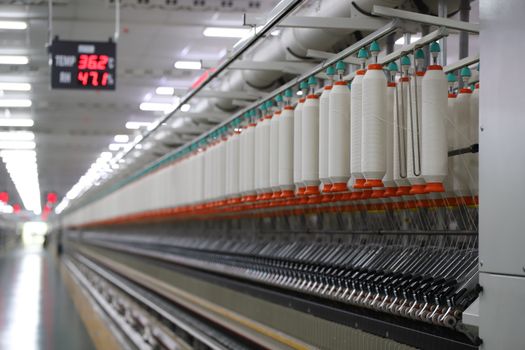
The world of fashion is experiencing a materials revolution. For centuries, natural fibers like cotton, silk, and wool defined our clothing. Now, a new generation of innovative materials—powered by advanced technology and science—are transforming what textiles can do and how we experience them. From bioengineered fabrics that mimic spider silk to smart textiles that respond to your body, today’s materials break free from tradition, reshaping everything from runway couture to everyday wear. In this article, we’ll explore the cutting-edge advancements in textile technology, the real-world impact of these new materials, and what the future holds for fashionistas and manufacturers alike.
The Rise of Tech-Enhanced Textiles
Fashion and technology have become inseparable, especially in textile innovation. The global smart textiles market was valued at $2.2 billion in 2022 and is projected to reach $13.6 billion by 2030, according to Grand View Research. What’s driving this growth? A convergence of consumer demand for sustainability, improved performance, and integrated technology.
Traditional textiles offered limited functionality—protection, warmth, and aesthetics. Modern textiles, however, deliver more. For example, moisture-wicking fabrics like those used in activewear absorb sweat and dry quickly, keeping wearers comfortable. But newer advancements go even further: antimicrobial finishes, UV protection, and even fabrics that monitor heart rate or body temperature are now possible.
Notable examples include Uniqlo’s AIRism clothing, which uses microfibers to regulate moisture and temperature, and Levi’s Trucker Jacket with Google’s Jacquard technology, which allows wearers to control their smartphone through gestures on the jacket’s sleeve. The integration of technology into textiles extends the functionality of fashion far beyond the basics.
Bioengineered and Lab-Grown Materials: Fashion’s Future
One of the most exciting developments in fashion materials is the rise of bioengineered and lab-grown textiles. These innovative materials are created using biotechnology, often with an emphasis on sustainability and ethical production.
A standout example is Bolt Threads’ Microsilk, a fabric made by replicating the DNA of spider silk proteins and fermenting them with yeast, sugar, and water. The result? A strong, lightweight, and biodegradable fiber. Microsilk was famously used by designer Stella McCartney for a dress exhibited at the Museum of Modern Art in New York.
Another trailblazer is Mylo, a leather-like material derived from mycelium, the root structure of mushrooms. Mylo uses significantly less water and land than traditional leather. Brands like Adidas and Lululemon have already introduced limited-edition products using Mylo, signaling a shift toward plant-based alternatives.
Cellulose-based fibers, such as Tencel (lyocell), are also gaining ground. Tencel is made from sustainably sourced wood pulp and is fully biodegradable. Its production uses 50% less water than traditional cotton and emits fewer greenhouse gases, making it a favorite among eco-conscious brands like Patagonia and Allbirds.
Smart Textiles: Clothing That Senses and Responds
Perhaps the most futuristic of fashion’s material advancements is the emergence of smart textiles—fabrics that can sense, react, or even communicate. These textiles integrate conductive fibers, sensors, or microelectronics directly into the material, without sacrificing comfort or wearability.
Types of smart textiles include:
- Passive smart textiles: These can sense environmental conditions (like temperature or moisture) but do not change in response. - Active smart textiles: These react to stimuli. For example, heat-sensitive fabrics that change color in sunlight or moisture-wicking textiles that adjust their permeability. - Ultra-smart textiles: These can sense, react, and adapt—such as garments that monitor vital signs and send data to a smartphone app.One real-world application is in sportswear. Hexoskin smart shirts, for example, use embedded sensors to track heart rate, breathing, and activity, transmitting data for health and performance monitoring. In the medical field, companies like Sensoria have developed socks that detect pressure and gait, helping diabetic patients prevent foot ulcers.
The potential of smart textiles isn’t limited to athletic or medical uses. Designers are exploring garments that light up, change color, or even play music, offering new forms of creative expression and personalization.
Sustainable Materials: Redefining Eco-Conscious Fashion
Environmental concerns are pushing the fashion industry to rethink its material choices. According to the Ellen MacArthur Foundation, the fashion industry produces over 92 million tons of waste per year and uses 93 billion cubic meters of water annually. Innovative materials are critical to reducing this impact.
Recycled fibers are now mainstream. For example, Patagonia’s Synchilla fleece is made from recycled plastic bottles, and Adidas’ Parley range uses yarn spun from ocean plastics. In 2021, Adidas produced more than 30 million pairs of shoes with recycled plastic waste.
Meanwhile, natural fibers are being reinvented. Piñatex, made from pineapple leaf fiber, offers a vegan alternative to leather, and Vegea transforms grape skins and seeds from winemaking into eco-friendly fabrics. These materials use agricultural by-products, minimizing waste.
Another innovation is the use of dyeing techniques that reduce water and chemical use. For instance, Colorifix uses genetically engineered microorganisms to produce pigments, cutting water consumption by 80% compared to traditional dyeing.
The table below compares some of the most popular innovative and traditional materials:
| Material | Source | Water Usage (per kg) | CO2 Emissions (per kg) | Biodegradable? |
|---|---|---|---|---|
| Cotton (conventional) | Plant | 10,000-20,000 L | ~2.1 kg | Yes |
| Polyester | Petroleum | ~17 L | ~9.5 kg | No |
| Tencel (Lyocell) | Wood pulp | ~2,500 L | ~1.6 kg | Yes |
| Mylo | Mycelium (fungi) | ~700 L | ~0.6 kg | Yes |
| Recycled Polyester | Plastic waste | ~15 L | ~5.5 kg | No |
| Piñatex | Pineapple leaves | ~350 L | ~0.8 kg | Yes |
These numbers highlight the significant environmental advantages of next-generation materials over many traditional fabrics.
3D Printing and Customization: The New Frontier of Material Innovation
Beyond new fibers and finishes, 3D printing has opened up radical possibilities for textile creation. 3D-printed garments are made layer by layer from materials like thermoplastic polyurethane, creating structures that would be impossible with traditional weaving or knitting.
Iris van Herpen, a Dutch designer, has pioneered the use of 3D printing in haute couture, crafting intricate dresses that blur the line between fashion and sculpture. Adidas’ Futurecraft 4D sneakers use 3D-printed midsoles, tailored for each wearer’s stride, demonstrating the potential for mass customization.
3D printing also minimizes waste by using only the material required, unlike conventional cut-and-sew processes that generate offcuts. According to a 2023 report by SmarTech Analysis, 3D printing in fashion is expected to grow at 19% annually, reaching $4.9 billion by 2030.
Customization is another benefit. With digital fabrication, consumers can personalize fit, color, and even performance features. This shift not only enhances consumer satisfaction but also reduces overproduction—a major issue in traditional fashion cycles.
Challenges and the Road Ahead for Tech-Driven Textiles
Despite the promise of innovative materials, several challenges remain. Cost is a significant barrier. For example, bioengineered fibers like Microsilk or Mylo are still produced at a higher price point due to limited scale and complex processes. Smart textiles, especially those with embedded electronics, face durability and washability concerns.
Regulatory issues also arise, especially for materials that come into direct contact with skin or are used in medical applications. Ensuring safety, non-toxicity, and hypoallergenic properties is crucial.
Consumer awareness and acceptance represent another hurdle. While sustainability is a growing priority, many shoppers remain unaware of the benefits or existence of new materials. Education, marketing, and visible endorsements by influential brands help bridge this gap.
Nevertheless, investment in research and development is accelerating. According to the European Union, nearly €2 billion was invested in sustainable textile innovations between 2018 and 2023. As scale increases and technology matures, costs are expected to decrease, making these materials more accessible.
Innovative Materials in Fashion: Shaping Tomorrow’s Wardrobe
The transformation of traditional textiles through technology is a defining force in modern fashion. Innovative materials—from bioengineered silks to smart fabrics and sustainable plant-based leathers—are not only reshaping what we wear, but also how we think about clothing’s role in society and the environment.
As these new materials become more affordable and widespread, they promise to deliver garments that are smarter, more sustainable, and tailored to our individual needs. Whether it’s a jacket that tracks your workout, a dress made from engineered spider silk, or sneakers crafted from ocean plastic, the possibilities are almost limitless.
For brands, designers, and consumers, embracing these innovations means participating in a future where fashion is more responsible, more exciting, and more in tune with the planet. The next time you put on your favorite shirt, consider the journey of its fibers—and imagine what the next generation of textiles will bring.