The world of fashion is experiencing a thrilling era of transformation, as technology and tradition converge in ways never seen before. From smart textiles to AI-driven customization, the industry is redefining how style is made, worn, and valued. Yet, as fashion gallops forward on the wings of innovation, designers and consumers alike are finding renewed appreciation for heritage, craftsmanship, and cultural roots. The most interesting developments today lie at the intersection: where cutting-edge tech amplifies, preserves, and even reinvents age-old traditions. This article explores the latest trends showing how technology is merging with traditional fashion values, offering a detailed look at the challenges, opportunities, and standout examples shaping the future of style.
The Evolution of Fashion: Blending Heritage with Innovation
Fashion, by its nature, is both a reflection of the times and a preserver of cultural memory. Historically, every region and community has developed its own techniques, motifs, and dress codes, often handed down through generations. Yet, globalization and rapid technological progress have posed challenges to these traditions, sometimes threatening their survival.
However, instead of erasing heritage, technology is now being harnessed to protect and elevate it. For example, digital archiving projects are preserving disappearing textile patterns from regions like Kutch in India and the Andes in South America, ensuring that intricate embroidery and weaving skills are not lost. In 2023, the Victoria and Albert Museum in London launched an initiative to digitize over 700,000 textile samples, making them freely accessible to designers and researchers worldwide.
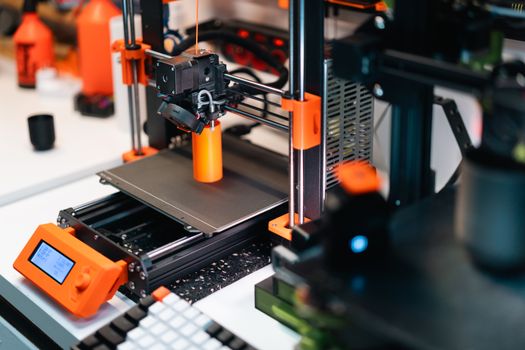
Similarly, 3D printing has allowed artisans to experiment with new materials and structures while retaining the essence of traditional forms. In Italy, the fusion of centuries-old lace-making with computer-aided design is producing unique, hybrid garments that celebrate both past and future.
Smart Textiles: Tradition Meets Technology on the Loom
One of the most dynamic trends is the rise of smart textiles—fabrics embedded with digital components or made from innovative fibers. While tech-driven fashion often conjures images of futuristic, synthetic looks, many designers are integrating these advances into classic silhouettes and culturally significant garments.
For example, in Japan, kimono makers are incorporating conductive threads into silk, enabling temperature control or even subtle illumination. These high-tech kimonos honor the meticulous construction and symbolism of the traditional garment while offering functionality never before imagined.
In the United States, Levi’s and Google collaborated on the Jacquard project, embedding touch-sensitive fibers into classic denim jackets. This blend of Silicon Valley innovation and iconic Americana demonstrates how technology can add value to familiar staples without sacrificing their identity.
Digitally Enabled Customization: Reviving the Art of Personalization
Personalization has always been central to traditional fashion. Tailored suits, custom embroidery, and made-to-measure dresses were once the norm. Mass production in the 20th century eroded much of this craft, but technology is now bringing it back—at scale.
AI-driven platforms, such as Unspun and MTailor, use 3D body scanning and machine learning to create perfectly fitted jeans and shirts. In 2023, Unspun reported a 25% reduction in returns compared to standard retailers, thanks to their tech-enhanced bespoke process. This not only revives the tradition of individualized apparel but also reduces waste—a win for both heritage and sustainability.
Digital embroidery machines, now affordable for small ateliers, are enabling artisans to recreate family crests, regional patterns, or personal stories on clothing with unmatched precision. The result is an explosion of one-of-a-kind pieces that reflect both technological prowess and cultural continuity.
Preserving Craftsmanship Through Virtual Platforms
As the pandemic accelerated digital adoption, virtual platforms have emerged as powerful tools for sustaining and sharing traditional craftsmanship. Online workshops, social media, and virtual reality (VR) experiences are connecting artisans with global audiences, ensuring that rare skills are not only documented but also taught to new generations.
For instance, the Mexican fashion collective Caralarga uses Instagram Live to teach viewers intricate macramé techniques passed down from indigenous communities. Meanwhile, VR exhibitions allow users to virtually tour ateliers in Florence or Jaipur, witnessing the painstaking process of leatherwork or block printing in 360 degrees.
A notable example is the "Weaving Stories" project, which brought together 1,500 weavers across Southeast Asia through a digital hub, facilitating collaboration, knowledge exchange, and even remote sales. According to project data, participating artisans saw a 40% increase in income compared to pre-pandemic levels.
Ethical Sourcing and Blockchain: Trust in Tradition
The demand for ethically sourced, authentic traditional clothing is rising, but so too are concerns about counterfeiting and exploitation. Blockchain technology is being adopted to provide transparent supply chains, ensuring that garments labeled as "handmade" or "heritage" truly honor their origins.
In 2022, Provenance, a UK-based platform, helped over 200 fashion brands certify the source of their materials and the working conditions of their artisans. Shoppers can now scan QR codes on garments to trace their journey from raw fiber to finished product, verifying both the authenticity of traditional techniques and the fairness of labor practices.
Below is a comparison table highlighting how traditional and tech-enhanced sourcing methods differ:
| Aspect | Traditional Sourcing | Tech-Enhanced Sourcing (with Blockchain) |
|---|---|---|
| Transparency | Often opaque, reliant on trust | Fully traceable via digital records |
| Authenticity Verification | Manual certificates, prone to forgery | Immutable digital proofs on blockchain |
| Artisan Recognition | Limited to local reputation | Global visibility and acknowledgment |
| Consumer Trust | Variable, based on brand | Strengthened by verifiable data |
Case Studies: Iconic Collaborations Blending Tech and Tradition
Several recent projects exemplify the creative potential unleashed when technology partners with tradition:
1. $1: For several couture collections, Dior has collaborated with Indian artisans trained in age-old embroidery and beadwork. Augmented reality (AR) apps allow viewers to explore the details and stories behind each garment, bridging physical craftsmanship and digital storytelling. 2. $1: This ongoing line celebrates Native American heritage by blending tribal motifs with advanced athletic materials. Proceeds support indigenous youth sports, showing how tech and tradition can create positive social impact. 3. $1: In 2023, Burberry unveiled a limited series of trench coats featuring their signature tartan, woven with RFID threads. These threads, readable by smartphones, share the coat’s unique story, the craftspeople involved, and tips for care—making the garment a living narrative.These cases represent just a fraction of the innovation in play, but each demonstrates the power of technology to honor and amplify, rather than replace, traditional values.
The Future of Fashion: A Symbiotic Relationship
Looking ahead, the fusion of technology and tradition is likely to accelerate. According to a 2024 report by McKinsey, 68% of fashion executives believe that digital tools will be crucial for preserving cultural heritage in the next decade. Furthermore, the global smart textiles market is projected to reach $9.3 billion by 2028, up from $3.0 billion in 2022—a clear signal that demand for tech-infused tradition is rising.
Yet, the future is not without challenges. As digital tools become more widespread, questions of cultural appropriation, data privacy, and equitable access to technology will need careful navigation. The most successful brands and artisans will be those that use technology not as a substitute for tradition, but as a means to enrich, protect, and reinterpret it for a new generation.