Fashion Technology and Its Impact on Social Justice in the Industry
The relationship between fashion technology and social justice is entering a transformative era. As digital innovations reshape design, production, and retail, a new wave of technologies is redefining who participates in fashion, who benefits from its profits, and how equitably the industry treats its workforce and consumers. By 2024, the global fashion technology market is expected to reach $43.2 billion, according to Statista, but beneath the surface, these advancements have profound social implications. From inclusive design tools to transparency platforms and labor rights monitoring, fashion technology is becoming a pivotal force in the fight for social justice.
How Fashion Technology Redefines Access and Inclusion
One of the most significant impacts of fashion technology lies in its ability to democratize access. Historically, the world of fashion has been exclusive, favoring certain body types, abilities, and socio-economic groups. Today, technology is breaking down these barriers in several key ways:
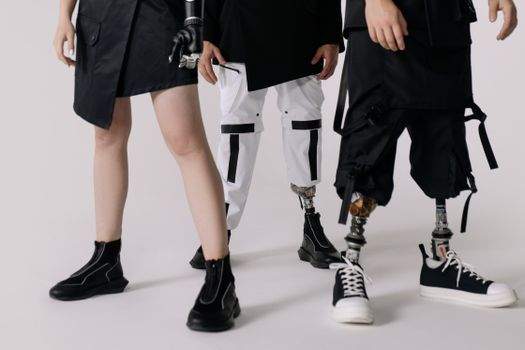
1. Adaptive Fashion and 3D Body Scanning: Companies like Tommy Hilfiger and Nike use 3D body scanning and AI-driven design to create adaptive clothing for people with disabilities. For instance, 3DLOOK’s mobile body scanning allows for personalized fits, reducing the need for in-person fittings and making fashion more accessible to those with mobility challenges. 2. Virtual Try-Ons and Augmented Reality: AR-powered try-on apps, such as those developed by Zeekit (now acquired by Walmart), provide access to fashion experiences for consumers regardless of geographical location or physical ability. These platforms also feature diverse avatar models, letting shoppers of all sizes, shapes, and backgrounds see themselves represented. 3. Customization and On-Demand Production: Digital printing and automated production platforms empower smaller designers and independent creators. This reduces entry barriers for underrepresented groups, such as women, LGBTQ+ entrepreneurs, and designers from the Global South.According to a 2023 McKinsey report, brands that have adopted inclusive design technology have seen a 20% increase in customer satisfaction across diverse demographics. By leveraging these tools, fashion is becoming more representative and responsive to social justice needs.
Technology’s Role in Combatting Labor Exploitation
The fashion industry has long struggled with labor exploitation, particularly in its global supply chains. Fashion technology is now playing a key role in improving transparency and protecting worker rights:
1. Blockchain for Supply Chain Transparency: Platforms like Provenance and IBM’s TrustChain are using blockchain to track every step of the garment journey, from raw materials to finished products. This technology makes it harder for unethical practices, such as wage theft or unsafe working conditions, to go unnoticed. 2. Worker-Focused Apps: Mobile apps such as LaborVoices and Good On You gather anonymous feedback from garment workers, alerting brands and consumers to labor abuses in real time. In Bangladesh, LaborVoices has collected over 100,000 worker reports, helping identify and address unfair practices in factories. 3. Automated Auditing and AI Analysis: AI-powered auditing tools analyze vast datasets from supply chains, flagging irregularities in pay, hours, or safety compliance. These systems can process hundreds of factory reports in minutes—something that would take human auditors weeks.The World Economic Forum notes that brands investing in supply chain transparency technology have seen a 30% decrease in reported labor violations. By shining a light on hidden corners of the industry, fashion technology empowers workers and holds companies accountable.
Empowering Marginalized Communities Through Digital Platforms
Another area where fashion technology is advancing social justice is through the empowerment of marginalized voices in design, marketing, and entrepreneurship:
1. Social Media and Direct-to-Consumer Platforms: Platforms like Instagram, TikTok, and Shopify allow creators from diverse backgrounds to reach global audiences without relying on traditional gatekeepers. In 2022, Shopify reported that over 30% of its fashion merchants identified as Black, Indigenous, or people of color (BIPOC). 2. Crowdsourced Design and Collaborative Platforms: Websites such as Threadless and Printful enable consumers to submit and vote on designs, giving a platform to underrepresented perspectives and aesthetics. This participatory approach challenges mainstream fashion’s historic homogeneity. 3. Digital Storytelling and Advocacy: Virtual fashion weeks, NFTs, and immersive storytelling platforms let marginalized designers showcase their work and advocate for social issues. For example, the 2023 Indigenous Fashion Week Toronto was streamed globally, highlighting First Nations designers who might otherwise remain unseen.The democratization of fashion content and commerce means more voices are heard—and more communities are celebrated—than ever before.
Comparing Traditional vs. Tech-Driven Approaches to Social Justice in Fashion
Let’s examine how traditional practices compare to tech-driven methods in advancing social justice within the fashion industry:
| Aspect | Traditional Fashion | Tech-Driven Fashion |
|---|---|---|
| Design Inclusivity | Limited sizes, few adaptive options | 3D body scanning, adaptive and custom designs |
| Worker Rights Monitoring | Infrequent manual audits | AI-powered audits, real-time worker feedback |
| Supply Chain Transparency | Opaque, manual recordkeeping | Blockchain-based, end-to-end visibility |
| Access to Market | High entry barriers, centralized brands | Direct-to-consumer, global digital platforms |
| Representation in Media | Homogenous advertising, few diverse models | Virtual avatars, inclusive and localized content |
This comparison highlights how technology is not just modernizing fashion operations, but actively dismantling long-standing barriers to equity and inclusion.
Challenges and Ethical Considerations in Fashion Tech’s Social Justice Mission
While the impact of fashion technology on social justice is largely positive, it is not without challenges and ethical dilemmas:
1. Digital Divide: Access to technology remains uneven. Underserved communities may lack reliable internet or digital literacy, limiting their ability to benefit from these innovations. 2. Data Privacy and Surveillance: Worker-monitoring apps and blockchain systems collect sensitive data. Without strict safeguards, this data could be misused, leading to privacy violations or retaliation against whistleblowers. 3. Algorithmic Bias: AI design tools and marketing algorithms can perpetuate biases if not properly calibrated. For example, if a body scanning system is trained mostly on Western body types, it may not serve global users equitably. 4. Greenwashing and Tokenism: Some brands may adopt tech-driven “transparency” or “inclusivity” initiatives for PR, without making substantive changes to their practices. According to the Changing Markets Foundation, 59% of fashion sustainability claims in 2022 were found to be misleading or unsubstantiated.Addressing these challenges requires ongoing vigilance, community engagement, and robust regulation to ensure that technology genuinely advances social justice, rather than simply providing a digital veneer.
Real-World Examples: Fashion Tech Advancing Social Justice
Several trailblazing initiatives exemplify how fashion technology is making a tangible difference:
- Fashion Revolution’s “Who Made My Clothes?” Campaign: Using social media, blockchain, and mobile reporting tools, this campaign has mobilized millions to demand transparency and fair treatment for garment workers. In 2023, over 2 million people participated worldwide, resulting in policy changes at major brands. - The Open Apparel Registry: This open-source map uses crowdsourced and verified data to track garment factories globally. It helps NGOs, unions, and consumers identify which brands source from which factories, pressuring companies to improve labor conditions. - Nike’s FlyEase: Developed using digital prototyping and feedback from athletes with disabilities, FlyEase sneakers feature easy-entry designs. Since its 2019 launch, Nike reports that FlyEase sales have grown 50% annually, signaling high demand for adaptive products. - AfroTech Fashion Summit: This event brings together Black innovators in fashion technology, showcasing startups using AI, VR, and e-commerce to challenge industry inequities and celebrate Black creativity.These examples show that when technology is thoughtfully applied, it can become a powerful tool for social justice—not just in rhetoric, but in measurable outcomes.
The Future of Social Justice in Fashion Technology
Looking ahead, fashion technology is poised to deepen its impact on social justice, but the direction will depend on collective action from brands, technologists, workers, and consumers. Key emerging trends include:
- Biometric Fit and Health Integration: Wearables and smart textiles could provide even greater customization and accessibility for those with disabilities or specific health needs. - Decentralized Autonomous Organizations (DAOs): Community-owned fashion platforms could give marginalized groups greater control over design, production, and profits. - Global Standards for Digital Ethics: Industry-wide frameworks will be essential to ensure privacy, inclusion, and fair labor practices.As these trends evolve, the industry faces a choice: use technology to reinforce old hierarchies, or to build a more just, inclusive, and sustainable system for everyone.