The fashion industry is in the midst of a digital renaissance. With consumers now expecting seamless shopping experiences, personalized service, and instant gratification, brands are rapidly turning to technology to meet—and exceed—these demands. From AI-powered recommendations to virtual fitting rooms and data-driven supply chains, technology is reshaping every aspect of the customer journey. But what does this really mean for shoppers, retailers, and the future of fashion customer experience? Let’s explore how cutting-edge technologies are enhancing the way people discover, buy, and enjoy fashion.
The Digital Storefront: Bridging Online and In-Store Experiences
The traditional boundaries between physical stores and online platforms have blurred. Today’s shoppers expect a unified experience whether they browse on a mobile app, a desktop site, or walk into a store. According to a 2023 Salesforce study, 78% of consumers say they use multiple channels before making a purchase decision.
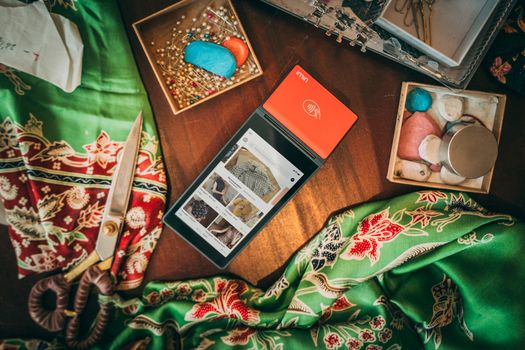
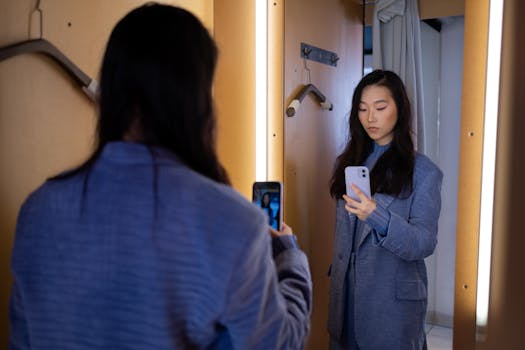
Technology enables retailers to create a seamless “phygital” (physical + digital) journey. In-store tablets, digital kiosks, and mobile apps allow customers to check product availability in real-time, reserve items, or even pay without waiting in line. Brands like Zara and Nike have introduced smart mirrors in fitting rooms, letting shoppers request different sizes, read product information, and get style suggestions without leaving their stall.
Meanwhile, online platforms have adopted immersive features that mimic the in-store experience. Live chat, video shopping, and virtual stylists connect shoppers to real humans for advice, bridging the gap in personalized service that e-commerce once lacked.
Personalization at Scale: AI and Data Transforming Fashion Shopping
Perhaps the most significant enhancement to customer experience comes from personalization powered by artificial intelligence (AI) and big data. No two shoppers are alike, and technology now allows brands to tailor experiences to individual tastes, sizes, and shopping behaviors.
Fashion giants like ASOS and Nordstrom use AI algorithms to analyze browsing habits, purchase history, and even social media activity. This data feeds into recommendation engines that suggest products likely to appeal to each customer. According to McKinsey, 35% of what consumers purchase on Amazon comes from personalized recommendations.
Beyond product suggestions, personalization extends to marketing emails, homepage content, and even dynamic pricing. Stitch Fix, a subscription-based personal styling service, uses machine learning to match clothing items to customers’ unique style profiles, resulting in a reported 80% retention rate among regular users.
Virtual Try-Ons and Augmented Reality: Solving the Fit Problem
One of the biggest challenges in fashion e-commerce has always been the inability to try before you buy. Enter augmented reality (AR) and virtual try-on technology. These tools let shoppers “wear” clothing and accessories digitally using their smartphone camera or computer webcam.
For example, Gucci’s AR sneakers allow users to see how different styles look on their feet before purchasing. Similarly, Warby Parker’s app lets customers try on glasses virtually, reducing returns and increasing confidence in online purchases. According to Shopify data, products listed with AR experiences see a 94% higher conversion rate compared to those without.
Virtual fitting rooms use 3D modeling and body scanning technology to recommend the best size and visualize fit. Zeekit, acquired by Walmart in 2021, enables users to upload a photo and see themselves in different outfits, while True Fit partners with over 250 retailers to provide personalized size and fit advice.
Omnichannel Loyalty and Customer Service: Connected Support Across Platforms
A streamlined customer experience doesn’t end at the point of sale. Technology is also elevating after-sales service and loyalty programs, ensuring shoppers feel valued and supported across all touchpoints.
Omnichannel loyalty programs, powered by customer relationship management (CRM) systems, enable shoppers to earn and redeem rewards both online and in-store. Sephora’s Beauty Insider program is a standout example, tying together in-app purchases, in-store visits, and even social media engagement for personalized perks and recommendations.
AI chatbots and virtual assistants provide instant support 24/7, answering questions, processing returns, and handling complaints efficiently. According to IBM, by 2025, 95% of all customer interactions in retail are expected to be powered by AI. This not only reduces wait times but also frees up human agents for more complex issues, improving overall satisfaction.
Data-Driven Inventory and Sustainability: Meeting Consumer Expectations
Today’s fashion consumers are not just looking for style—they’re demanding convenience, speed, and sustainability. Smart technology behind the scenes is making it possible for brands to deliver on these expectations.
Advanced analytics and Internet of Things (IoT) sensors help retailers track inventory in real-time, preventing stockouts and overproduction. H&M’s use of RFID tags has reportedly reduced out-of-stock items by 30% and improved inventory accuracy to 98%. This data-driven approach means customers are less likely to encounter frustrations like unavailable sizes or delayed shipments.
Moreover, technology enables eco-conscious consumers to make informed choices. Digital product passports, blockchain tracking, and QR codes provide transparency about a garment’s origin, materials, and carbon footprint. Brands like Everlane and Stella McCartney leverage these tools to build trust and foster loyalty among environmentally aware shoppers.
Comparing Customer Experience: Traditional vs. Tech-Enhanced Fashion
To illustrate the impact of technology, let’s compare key aspects of the traditional fashion customer experience with tech-enhanced approaches:
| Aspect | Traditional Fashion Experience | Tech-Enhanced Fashion Experience |
|---|---|---|
| Personalization | Limited, mostly in-store stylist service | AI-driven recommendations, personalized marketing, custom fit |
| Product Discovery | Browsing racks, catalogs | Smart search, visual search, curated feeds |
| Try-On Experience | Physical fitting rooms only | Virtual try-ons, AR, body scanning |
| Customer Support | In-person or phone during store hours | 24/7 chatbots, omnichannel support, automated returns |
| Inventory Management | Manual tracking, frequent stockouts | Real-time inventory, predictive restocking, fewer stockouts |
| Sustainability Info | Minimal transparency | Digital product passports, traceable supply chains |
How Technology Empowers Fashion Shoppers
The ultimate beneficiary of these innovations is the consumer. Technology puts power and choice in the hands of shoppers, allowing them to:
- Discover new styles tailored to their tastes without endless searching - Shop confidently online with accurate sizing and fit predictions - Access support and information instantly, anytime, anywhere - Make more responsible choices with transparent supply chain data - Enjoy unified rewards and seamless transitions between online and in-store shoppingAs a result, 63% of consumers now expect brands to know their preferences and offer relevant suggestions, according to Accenture’s 2023 Global Consumer Pulse Research. The brands that harness technology most effectively are building deeper loyalty and standing out in an increasingly crowded marketplace.
Technology and the Future of Customer Experience in Fashion
Looking ahead, the marriage of fashion and technology is only set to deepen. As AI becomes more sophisticated, we’ll see even greater levels of hyper-personalization, predictive shopping (where brands anticipate needs before customers do), and immersive experiences powered by virtual and augmented reality. Biometric fitting, interactive live shopping events, and even AI-generated fashion designs are on the horizon.
Yet, as technology advances, maintaining a human touch remains crucial. The most successful brands will blend digital convenience with genuine empathy and creativity—using technology to empower, not replace, human connection.