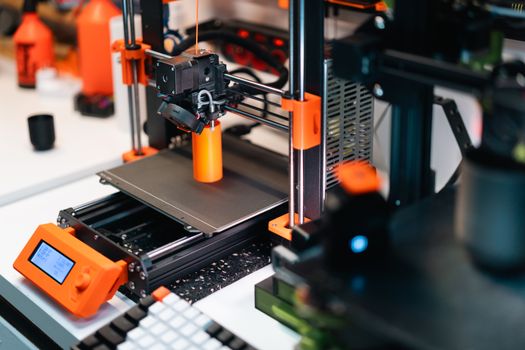
The world of fashion has always thrived on creativity and innovation, but in recent years, the convergence of apparel design and advanced technology has dramatically transformed the way designers work. From concept to production, digital tools and high-tech solutions are enabling designers to push creative boundaries, streamline their workflows, and respond more rapidly to consumer demand. This article explores the most groundbreaking innovations in apparel design, illustrating how technology is fundamentally reshaping the creative process for designers and opening up exciting new possibilities for the industry.
The Digital Canvas: How 3D Design Software is Revolutionizing Apparel Creation
The adoption of 3D design software stands out as a pivotal development in apparel design. Traditionally, designers relied on hand sketches and physical prototypes to visualize garments. Today, platforms like CLO 3D, Browzwear, and Autodesk’s Fusion 360 enable designers to build, modify, and render garments in realistic 3D environments.
This technology allows for rapid prototyping—garments can be draped, fitted, and animated on virtual avatars, eliminating the need for multiple physical samples. According to a 2023 report by McKinsey, brands using 3D design tools reduced sample production by up to 50%, cutting weeks from the design cycle.
Furthermore, 3D design facilitates real-time collaboration. Teams across continents can modify patterns, textures, and silhouettes instantly, enhancing creativity and speeding up decision-making. Designers can also experiment with unconventional materials or complex structures that would be costly or impractical to prototype physically.
Artificial Intelligence: Co-Creator and Trend Forecaster
Artificial intelligence (AI) is not just automating tasks—it’s becoming an active participant in the creative process. AI-powered platforms can generate unique patterns, suggest color palettes, and even predict future trends based on vast data from runways, social media, and retail analytics.
For example, Google’s Project Muze uses machine learning algorithms to create fashion designs based on individual user preferences and current trends. Meanwhile, Stitch Fix employs AI to analyze customer feedback and suggest design tweaks, delivering personalized styles at scale.
A key advantage of AI in apparel design is its ability to process enormous amounts of data at lightning speed. This enables designers to make informed decisions, reduce the risk of overproduction, and respond quickly to changing consumer tastes. In 2022, over 35% of leading apparel brands reported using some form of AI-driven design or trend analysis in their creative process.
Virtual and Augmented Reality: Immersive Tools for Ideation and Presentation
Virtual Reality (VR) and Augmented Reality (AR) are bringing a new level of immersion to apparel design. By donning a VR headset, designers can step into a virtual studio, manipulate designs in three dimensions, and visualize how garments move and interact with different body shapes and environments.
AR, on the other hand, overlays digital information onto the real world. Designers can use AR apps to project their creations onto mannequins or live models, making it easier to assess proportions, fit, and style variations without sewing a single stitch. This technology is also transforming client presentations, allowing buyers and stakeholders to see and interact with virtual samples before they exist physically.
According to Statista, the global AR and VR market in fashion was valued at $1.5 billion in 2023 and is expected to reach $6.7 billion by 2027, highlighting the rapid adoption and growing impact of these technologies in creative workflows.
Smart Textiles and Wearable Tech: Expanding the Designer's Palette
Innovation isn’t limited to software; the materials themselves are evolving. Smart textiles—fabrics embedded with electronic components—offer designers a new world of creative potential. These materials can change color, monitor biometric data, or respond to environmental stimuli.
For example, The Unseen, a London-based design house, creates garments that shift hues in response to temperature or air quality. Similarly, Levi’s Jacquard jacket, developed with Google, allows wearers to control their smartphones via touch-sensitive fabric.
Designers now work closely with engineers to integrate sensors, conductive threads, and microcontrollers into their creations. This cross-disciplinary approach requires new creative thinking and opens the door to truly interactive, functional, and personalized garments.
Data-Driven Design: Customization at Scale
Personalization has become a defining trend in modern fashion, and technology is making it easier than ever to deliver customized apparel. Advanced data analytics platforms collect and analyze information from e-commerce sites, social media, and wearable devices, providing designers with deep insights into consumer preferences.
Brands like Adidas and Nike have launched customization platforms where customers can design their own sneakers, choosing colors, materials, and even adding personal messages. In 2021, Nike reported that its Nike By You customization service accounted for over $1 billion in revenue, demonstrating the commercial power of tech-enabled personalization.
Beyond aesthetics, data-driven design can optimize fit by using 3D body scanning and algorithmic pattern adjustment, reducing returns and improving customer satisfaction. According to a 2022 survey by the Boston Consulting Group, brands leveraging data-driven customization saw customer retention rates increase by up to 25%.
Comparing Traditional and Tech-Driven Apparel Design Methods
To understand the magnitude of change, it’s helpful to compare the traditional and technology-enhanced design processes. The table below highlights the main differences:
| Aspect | Traditional Apparel Design | Technology-Driven Apparel Design |
|---|---|---|
| Concept Visualization | Hand sketches, physical mood boards | 3D modeling, digital renderings, VR/AR environments |
| Prototyping | Physical samples, manual draping | Virtual prototypes, instant modifications in software |
| Collaboration | In-person meetings, mailing samples | Cloud-based editing, real-time global teamwork |
| Material Innovation | Standard textiles, slow to adopt new fibers | Smart textiles, integration of electronics and sensors |
| Customization | Limited, expensive to scale | Mass customization via data analytics and digital platforms |
| Time to Market | Weeks to months | Days to weeks, significantly reduced cycles |
Challenges and Opportunities for the Future of Apparel Design
While the benefits are clear, integrating new technologies into apparel design is not without its challenges. The learning curve for advanced software can be steep, and smaller brands may struggle with the upfront investment. There are also ongoing concerns about data privacy, particularly when using AI and personalization platforms.
Sustainability presents both a challenge and an opportunity. Digital tools can drastically reduce waste by minimizing physical sampling and enabling made-to-order production. However, the environmental impact of electronic components in smart textiles and the energy demands of digital infrastructure must also be considered.
Despite these hurdles, the future of apparel design looks bright. As technology becomes more intuitive and accessible, it will empower a broader range of designers to experiment and innovate. The fusion of artistry and engineering promises not only more efficient workflows but also richer, more diverse creative expressions.
Key Takeaways: The Transformative Impact of Technology on Apparel Design
The creative process in apparel design is undergoing a profound transformation thanks to technology. From 3D design and AI-driven insights to smart textiles and immersive visualization, designers are equipped with powerful new tools that enhance creativity, efficiency, and personalization.
Key facts to remember: - 3D design tools can reduce sample production by up to 50% - The global AR and VR market in fashion is projected to reach $6.7 billion by 2027 - Nike’s customization platform generated over $1 billion in revenue in 2021As these innovations become mainstream, they promise to democratize fashion design, making it more inclusive, responsive, and sustainable. The future belongs to those willing to embrace the opportunities technology offers—redefining what is possible in apparel creativity.