Understanding Fashion Design: From Concept to Creation
Fashion design is a captivating blend of artistic vision, technical skill, and commercial acumen. While the finished garment often steals the spotlight, the journey from a flicker of inspiration to a runway-ready piece is a complex, multi-stage process. Each step—research, sketching, material selection, pattern making, construction, and presentation—demands creativity and precision. This article unpacks the fascinating world of fashion design, tracing the process from the initial concept to the final creation, and highlighting the unique discipline and ingenuity required to bring a designer’s vision to life.
The Spark: Inspiration and Concept Development
Every remarkable fashion piece begins with inspiration. For designers, sources of inspiration are as varied as the designers themselves. Some find it in nature’s colors and forms, others in art, history, architecture, or even current social movements. According to a 2022 survey by Business of Fashion, 62% of designers cite travel and cultural experiences as their primary source of creative energy.
Once inspiration strikes, designers translate abstract ideas into tangible concepts. This stage often involves:
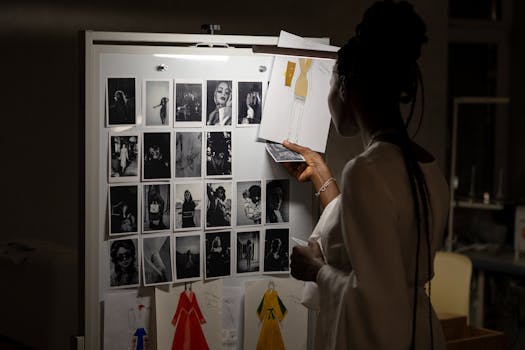
- $1 Visual collages of colors, fabrics, textures, photographs, and sketches that set the tone for the collection. - $1 Studying fashion forecasts, consumer behavior, and cultural shifts. For instance, the global trend forecasting market was valued at $2.4 billion in 2023, underscoring the importance of prediction in fashion design. - $1 Many designers craft a narrative or theme for their collection, giving coherence to their designs.Example: For his Fall 2019 collection, Marc Jacobs drew inspiration from the opulent costumes of the 1980s, blending nostalgia with modern tailoring to create a distinctive, story-driven collection.
Sketching and Technical Design: Bridging Vision and Reality
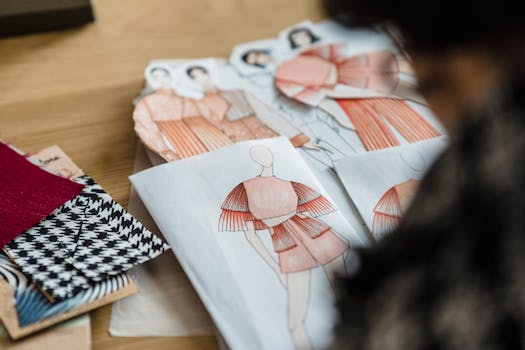
Once the core concept is defined, the next step is to visualize it through sketching. Designers start with rough sketches—quick, expressive drawings that capture the silhouette and mood. These evolve into more detailed technical illustrations, sometimes called “flats,” which show garments from multiple angles and include precise measurements.
Key components of this stage include:
- $1 While traditional hand drawing is still important, over 75% of professional designers now use software like Adobe Illustrator or CLO 3D to create detailed digital sketches, allowing for rapid revisions and 3D modeling. - $1 These documents include specifications on construction, stitching, trims, and fabric type, and are essential for communicating with pattern makers and manufacturers.A designer’s ability to move fluidly between creative drawing and technical accuracy is crucial. It ensures that the garment’s visual appeal is matched by its feasibility in production.
Choosing Materials: Fabric and Trim Selection
The next critical step is material selection. Fabric is more than just the building block of a garment—it influences drape, movement, comfort, and the overall aesthetic. In 2022, the global fabric market was worth $1.5 trillion, reflecting the vast array of choices available.
Factors influencing material selection include:
- $1 Evening gowns require different fabrics (like silk or chiffon) than sportswear (such as spandex or polyester). - $1 With rising consumer awareness, 38% of designers in a 2023 survey prioritized eco-friendly materials, such as organic cotton or recycled polyester. - $1 Luxury brands may opt for rare, high-end fabrics, while mass-market labels balance cost-effectiveness and durability.Trims—zippers, buttons, lace, and decorative elements—also play a significant role. The right combination can elevate a design, while poor choices may compromise the garment’s look or comfort.
Pattern Making and Prototyping: Turning Ideas into 3D Forms
Pattern making is where the magic of flat sketches transforms into three-dimensional reality. Skilled pattern makers translate the designer’s vision into templates for each garment part. Accuracy is vital; even a few millimeters can affect fit and appearance.
The process involves:
- $1 Laying fabric on a dress form to shape the basic structure. This technique is especially popular for couture and avant-garde designs. - $1 Drawing patterns on paper or digitally, then cutting them out of muslin or another inexpensive fabric for testing. - $1 The first physical version, or “toile,” is sewn together to check proportions, fit, and overall design.Revisions are common. According to a 2021 industry report, designers typically go through 2-4 sample iterations before finalizing a pattern. This iterative process ensures that the garment not only matches the designer’s vision but also fits real bodies comfortably.
Construction and Finishing: Bringing the Garment to Life
Once the pattern is perfected, skilled seamstresses and tailors bring the garment to life. The construction phase involves cutting the final fabric, assembling the pieces, and applying finishes.
Key stages include:
- $1 High-quality garments can require up to 60 distinct steps, from basic stitching to intricate hand-embroidery. - $1 Each piece is inspected for flaws, ensuring consistent sizing, secure seams, and perfect details. - $1 Pressing, hemming, and adding trims or embellishments complete the piece.Different fashion segments require different construction techniques. For example, haute couture houses in Paris employ artisans who spend hundreds of hours handcrafting a single gown, while ready-to-wear collections rely on efficient production lines.
To illustrate these differences, see the table below:
| Aspect | Haute Couture | Ready-to-Wear | Fast Fashion |
|---|---|---|---|
| Production Time (per garment) | 100-700 hours | 2-10 hours | 20-60 minutes |
| Materials | Luxurious, often custom-made | Quality, but mass-produced | Low-cost, easily sourced |
| Techniques | Hand-sewn, intricate details | Machine-sewn, some hand finishing | Fully machine-made |
| Cost (USD) | $10,000–$100,000+ | $100–$2,000 | $10–$50 |
Presentation: From Studio to Runway and Beyond
After months of work, the collection is finally ready for presentation. This stage is about storytelling, branding, and connecting with audiences—buyers, media, and consumers.
Presentation methods include:
- $1 The most iconic form, with over 3,000 fashion shows held annually worldwide in cities like Paris, Milan, New York, and London. - $1 Photographic collections that highlight the garments’ features and inspire potential buyers. - $1 In 2023, 54% of emerging designers launched their new collections on Instagram or TikTok, reflecting the shift toward social media-driven fashion.The presentation stage is not just about glamour. It’s an essential business move; the right exposure can lead to commercial success, celebrity endorsements, and the chance to influence global trends.
Conclusion: The Art and Science of Fashion Design
Fashion design is a multidimensional discipline that marries imagination with technical expertise. The journey from concept to creation is demanding, requiring attention to detail at every turn. From the spark of inspiration to the drama of the runway, each stage is essential in shaping the garments that define our culture and identity. As fashion continues to evolve—with sustainability, technology, and diversity at its forefront—the creative process remains both an art and a science, constantly reinventing how we express ourselves through clothing.