Fashion is much more than the clothes we wear; it’s a dynamic fusion of creativity, technical skill, and cultural influence. While consumers often experience fashion as finished garments in retail stores or on runways, the intricate journey from an initial spark of inspiration to a wearable piece is both fascinating and complex. Understanding fashion design—from the earliest concepts to the final creation—reveals the essential blend of artistry and craftsmanship that shapes what we see, buy, and wear. This article takes you on an in-depth exploration of the fashion design process, demystifying every stage and showing why each step is crucial to achieving both aesthetic impact and practical functionality.
The Creative Spark: Where Fashion Ideas Begin
Every garment starts with a concept, but what fuels these initial ideas? Fashion designers draw inspiration from an array of sources—art, history, nature, social movements, personal experiences, and even technology. The 2023 Global Fashion Industry Report found that 63% of leading designers cite travel and cross-cultural exchange as key inspiration triggers, while 40% regularly consult historical archives when forming new collections.
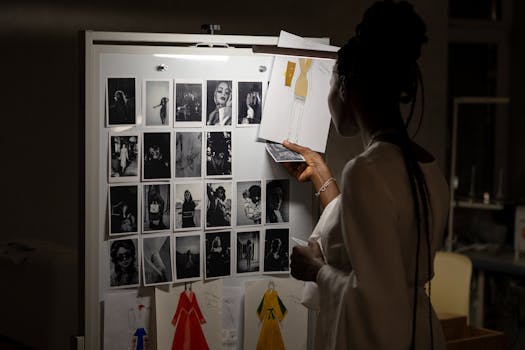
Mood boards, sketchbooks, and digital tools like Adobe Illustrator or Procreate are often used to gather and distill these ideas. Designers might explore color trends, fabric swatches, and silhouettes, building a visual and conceptual foundation for their work. Some fashion houses, like Dior and Alexander McQueen, are renowned for thematic collections that tell a story, using their initial inspiration as a narrative backbone.
The ideation phase is also about research. Designers must not only pursue creativity but also consider market gaps, client needs, and seasonal trends. For example, the rise of climate-conscious fashion has led to increased interest in sustainable materials and processes. Understanding what’s both desirable and viable in the current market is essential before moving forward.
From Sketch to Specification: Developing the Design
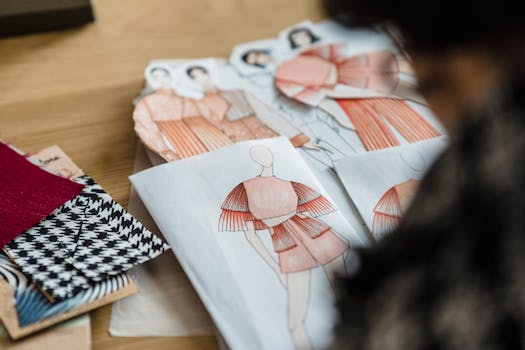
Once an idea takes shape, the next stage is translating it into concrete designs. This is where sketching—a time-honored skill—comes into play. Designers create a series of rough sketches to visualize different versions of their concept, experimenting with proportions, lines, and details.
These sketches eventually evolve into more detailed technical drawings, often called “flats.” Flats depict garments from multiple angles and specify essential construction details such as seams, fastenings, and stitching. This stage bridges the gap between artistic vision and practical execution.
Alongside sketches, designers select fabrics and trims. The choice of textile is critical: a structured wool gives a suit jacket authority, while silk lends a dress fluidity. According to the 2022 Textile Exchange Market Report, cotton remains the most widely used natural fiber, accounting for 24% of global fiber production, while innovative materials like recycled polyester and Tencel are gaining ground.
Color palettes are finalized, often using Pantone color standards to ensure consistency throughout production. At this phase, designers also consider wearability, cost, and manufacturability. Many use 3D fashion design software to simulate how garments will drape and move, reducing the need for physical prototypes and speeding up the development process.
Pattern-Making and Prototyping: Bringing Designs to Life
With finalized sketches and fabric choices, the design moves into one of the most technically demanding stages: pattern-making and prototyping. Pattern-making translates the 2D vision into a series of templates that will be used to cut fabric pieces.
Patterns can be created manually, using paper and drafting tools, or digitally, with CAD (computer-aided design) software. Digital pattern-making has grown significantly: in 2021, over 55% of large fashion brands reported using CAD systems to streamline this process, reducing errors and saving time.
A prototype or sample garment, often called a "muslin" or "toile," is constructed from inexpensive fabric to test fit and design. This allows designers and pattern-makers to identify issues with silhouette, construction, or comfort before committing to expensive materials. Adjustments are common—up to 80% of initial samples require significant revisions. Fittings are conducted on models or mannequins, and feedback from these sessions drives further refinement.
This iterative process ensures that the final pattern is both true to the designer’s vision and feasible for production. Once approved, the pattern is graded to create different sizes, ensuring the design can be scaled for a broader market.
The Production Process: From Studio to Showroom
Transitioning from prototype to full production requires close coordination between design, technical, and manufacturing teams. The finalized pattern and technical specifications are handed off to manufacturers, either in-house or outsourced to specialized factories.
A key decision here is the method of production. High fashion (haute couture) relies on hand-sewn, bespoke methods, with a single garment often requiring hundreds of hours to complete. In contrast, ready-to-wear (prêt-à-porter) collections use industrial techniques for faster, scalable production. For example, Zara, one of the world’s largest fashion retailers, can take a design from concept to store shelves in just 15 days, illustrating the efficiency of modern supply chains.
Quality control is paramount; each piece is checked for consistency, durability, and alignment with original specifications. Fashion brands must also manage logistics, inventory, and distribution—a process that can span continents. According to Statista, the global fashion manufacturing industry generated $2.5 trillion in revenue in 2022, underscoring the enormous scale and complexity of this stage.
Below is a comparison table outlining the differences between haute couture and ready-to-wear production:
| Aspect | Haute Couture | Ready-to-Wear |
|---|---|---|
| Production Method | Hand-sewn, bespoke | Industrial, standardized |
| Production Time | 100-700 hours per garment | 1-10 hours per garment |
| Volume | Limited, exclusive pieces | Mass-produced, multiple sizes |
| Price Range | $10,000 to $500,000+ | $50 to $5,000 |
| Target Market | Elite clientele, collectors | General consumers |
Showcasing and Selling: The Final Step in Fashion Design
After production, the focus shifts to presentation and sales. Fashion weeks in Paris, Milan, New York, and London are the most influential platforms for introducing new collections. These high-profile events set trends, attract media attention, and connect designers with buyers from luxury and mass-market retailers.
Lookbooks, e-commerce photography, and digital marketing campaigns are vital for reaching consumers. In 2023, online fashion sales accounted for 23% of all retail clothing purchases worldwide, highlighting the growing importance of digital channels. Brands now invest heavily in social media, influencer partnerships, and virtual showrooms to create immersive shopping experiences.
Sustainability and transparency are also shaping how designs reach the market. Consumers increasingly demand information about sourcing, ethical labor practices, and environmental impact. Fashion designers and brands must communicate their values and processes, adding a new layer of storytelling to the final product.
The Role of Teamwork and Technology in Modern Fashion Design
Fashion design isn’t a solo pursuit; it’s the result of collaboration across multiple disciplines. Designers work with pattern-makers, textile specialists, garment technologists, and marketers. For example, a typical design team at a major label can include up to 15 different specialists, each contributing unique expertise.
Technology is revolutionizing how these teams operate. 3D design software, virtual fitting rooms, AI-driven trend forecasting, and supply chain automation are making the process faster, more sustainable, and more responsive to market needs. As of 2023, over 70% of leading fashion brands report investing in digital transformation initiatives to stay competitive.
The integration of technology not only accelerates the design-to-market timeline but also reduces waste and improves accuracy. For instance, digital sampling can cut physical waste by up to 50%, while AI-based inventory management helps avoid overproduction—a major concern in the industry.
Why Understanding Fashion Design Matters to Everyone
The journey from concept to creation in fashion design is a testament to human creativity, technical mastery, and the power of collaboration. Knowing how clothes are conceived, developed, and produced fosters a deeper appreciation for what we wear and why.
For consumers, understanding the process empowers better purchasing decisions—whether it’s supporting local designers, choosing sustainable options, or recognizing the value of craftsmanship. For aspiring designers, the pathway is both challenging and rewarding, requiring not only talent but also adaptability and a willingness to embrace innovation.
Fashion is ever-evolving, shaped by cultural shifts, technological advancements, and changing consumer values. By understanding the process behind the garments, we connect more meaningfully with the clothes we choose and the stories they tell.